
Introduction.
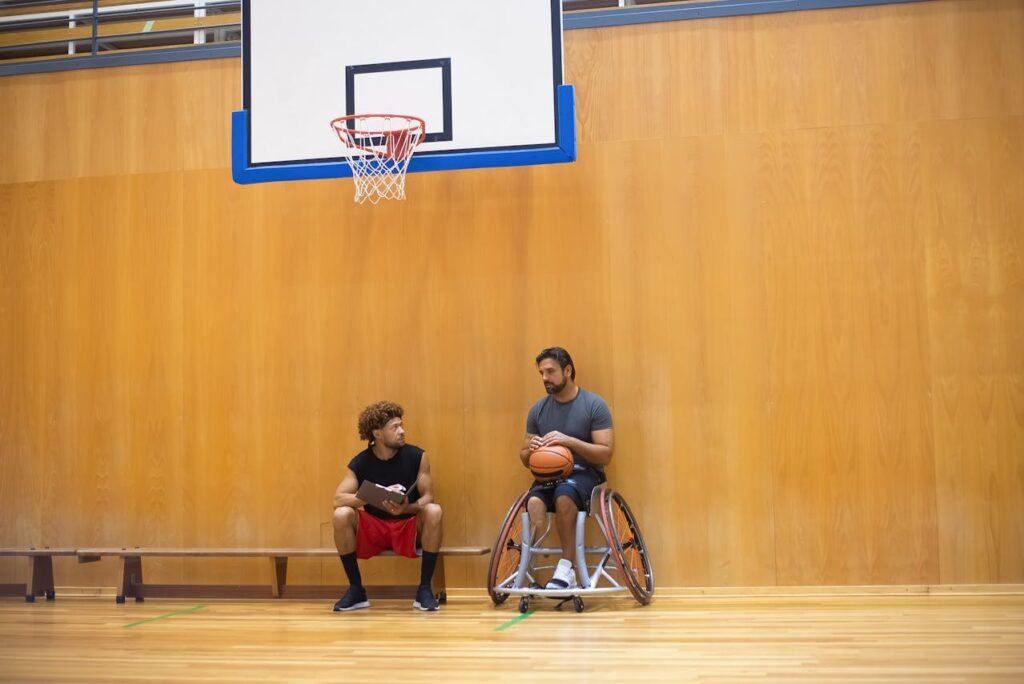
Sports have always been a crucial aspect of human society. Sport has held a prominent role in shaping culture from the origins of the ancient Olympic Games in Greece to international festivals of sport such as the FIFA World Cup and the Olympics. Sports are not just entertainment or competition – but rather, sports and all associated activities offer benefits particularly in the enhancement of physical health. Specifically, it has been scientifically established that sport and sporting pursuits improve a person’s cardiopulmonary function, strengthens muscle and bone, maintains or manages body weight, and is the optimal way of maintaining overall body health. The importance of sport cannot be overstated in the context of physical health in this time where sedentary behaviours, access to distracting digital content, and a rise in chronic illnesses is prevalent.
This article intends to illustrate the role sports play in enhancing physical health through contemporary perspectives regarding the physiological, psychological and social benefits of sports. This article will also provide insights into the preventative role that sports have on chronic illnesses, highlights of the role across the life span, and life enhancement regarding longevity and quality of life.
1. The Health Benefits of Sport
1.1 Cardiovascular Health
Sport can mean different things to different people, but one of the most fundamental ways that sport contributes to your health is enhancing your cardiovascular fitness. Whether it is biking, running, swimming, or playing soccer, these activities use a lot of muscle(s) and require a significant increase in heart rate, resulting in an increase in the ability of your heart to contract as a muscle. The more we participate in aerobic sports, the more our blood circulation improves, blood pressure decreases, and our risk for heart disease, heart attack and stroke decrease. The American Heart Association reports that even getting at least 150 minutes in a week of moderate activity can substantially decrease the chances of you or a loved one having coronary heart disease.
1.2 Muscular Strength and Endurance
Sports like weightlifting, wrestling, basketball, and tennis repeatedly use large muscle(s) leading to both advancements in muscle strength and muscular endurance. Muscular strength is important not only for athleticism, but is also important for daily living (pulling, pushing, walking, doing household activities, maintaining posture, etc). Stronger muscles are beneficial in keeping your joints safe from injury, and having stronger muscles add to your overall agility or ability to move.
[9/11/2025 6:48 AM] Abdalla Mohamed Hussein: 1.3 Bone Health
Playing weight-bearing sports like football, gymnastics, or basketball increases the density of the bones. This becomes significantly more important for older adults to decrease risk of developing sarcopenia, as the density of bones decreases with age. Studies show that those who routinely play high impact sports have a greater bone mineral density than their sedentary counterparts. Protective strength of bone developed during youth or sports is protective against fractures in later life.
1.4 Maintaining Weight & Preventing Obesity
Sporting activity is one of the most effective ways of managing weight. By burning calories and turning on metabolic rate, physical activity is part of the way to maintain a healthy body mass index (BMI). The obesity epidemic is a significant risk factor for diabetes and hypertension. Regular participation in sporting activity is protective against the development or control of obesity. Sporting activity can burn calories during the activity and can also increase resting metabolic rate because of enhanced muscle mass.
1.5 Strengthening the Immune System
When people participate in sporting activity moderately and consistently it can enhance the function of the immune system because of improved circulation so immune system cells can blend and disperse throughout the body to respond to pathogens. Overtraining can temporarily shut down immune systems, but moderate exercise has been shown to decrease cold frequency or other infections.
2. Sports and the Connection between the Mind and the Body
2.1 Stress Relief and Hormonal Regulation
Sports produce the affect of endorphins, the body’s natural “happiness hormones.” These hormones serve as natural pain relievers and mood elevators that reduce stress, anxiety and depression. The physical action of playing sports also serves to regulate the balance of cortisol which reduces stress and improves sleep.
2.2 Brain Function and Concentration
Sports increase blood flow to the brain, providing oxygen and nutrients necessary to function well. Sports such as tennis, basketball and martial arts use reaction time, quick thinking and decision making, all of which help to develop cognitive and neural pathways. Mental activity also enhances focus, memory and problem solving that further strengthens the connection between the mind and body.
3. Sports in all phases of life
3.1 Children and youth
For children, sports provide an essential part of growth and development. Sports contribute to the healthy development of bones and muscles, mitigate childhood obesity, and improves overall motor skills. They also teach discipline, teamwork, resilience, etc., at a young age, making children healthier and more well-rounded adults.
3.2 Adults
For adults, sports provide a counterbalance to the sedentary lifestyle created through working in an office and technology being part of everyday living. Taking part in sports helps adults to keep their energy levels up, relieve stress, and avoid diseases due to lifestyle. An adult who participates in sports would be more likely to maintain healthy body weight, sleep, and improve productivity in their work life.
3.3 Older adults
In older age, swimming, yoga, golf, and walking are just some ways to maintain mobility and flexibility and cardiovascular fitness. In seniors, sport participation can reduce fall risk, improve balance, improve socialisation – all of which improves physical and mental well-being.

4. Drive as Preventive Medicine
4.1 Diabetes
Drive has positive effects on insulin sensitivity and blood glucose levels. In combination with diet, increasing physical activity is an important aspect of management of a person diagnosed with type 2 diabetes. Aerobic and resistance drive reduce fasting glucose levels and HbA1c significantly to lower long-term complications.
4.2 Hypertension
Drive reduces systolic and diastolic blood pressure in activities that are often referred to as “balanced”. Many activities provide remarkably increased exercise related to overall health. Ironically, while many associated pump blood, drive is especially noted for improvements in vascular compliance, which helps to promote blood flow, thereby helping the cardiovascular system function more efficiently and reduce cardiovascular work.
4.3 Cancer
Evidence indicates that engaging in regular physical activity lowers the risk of various cancer types, including cancers of the colon, breast and prostate. Drive appears to lower the overall and cancer risk through regulation of hormones, reduction of body fat and increase in modification of immune surveillance.
4.4 Mental Health Disorders
Although drive is a physical activity, it plays an important role as a health promoter to prevent depressive and anxiety disorders. The physiological pathways of exercise, paired with socially devoting time as well as communities of sport can offer more holistic health benefits.
5. Social and Behavioral Aspects of Sports for Health
5.1 Building Healthy Habits
Sports promote regularity, discipline, and time management. If someone develops the habit of participating in sports, they are less likely to engage in unhealthy habits such as smoking, excessive drinking, or over-eating.
5.2 Social Health and Support Structures
Participating in team sports allows social interaction, friendships, and a sense of belonging. Social health is directly associated with physical health, as healthy relationships lower stress and motivate better lifestyle choices.
5.3 Promotion of Lifelong Activity
Whereas other trendy fitness fads may only be short-lived, sports may develop lifelong habits. Someone who plays soccer instead of taking aerobics classes, swims instead of spin classes, and cycles instead of running, is much more likely to carry the sport habit past adventures in adulthood, as studies have shown that middle-aged adults from childhood sporting habits still reap the benefits of physical health.
6. Barriers to Taking Part in Sports and Remedies
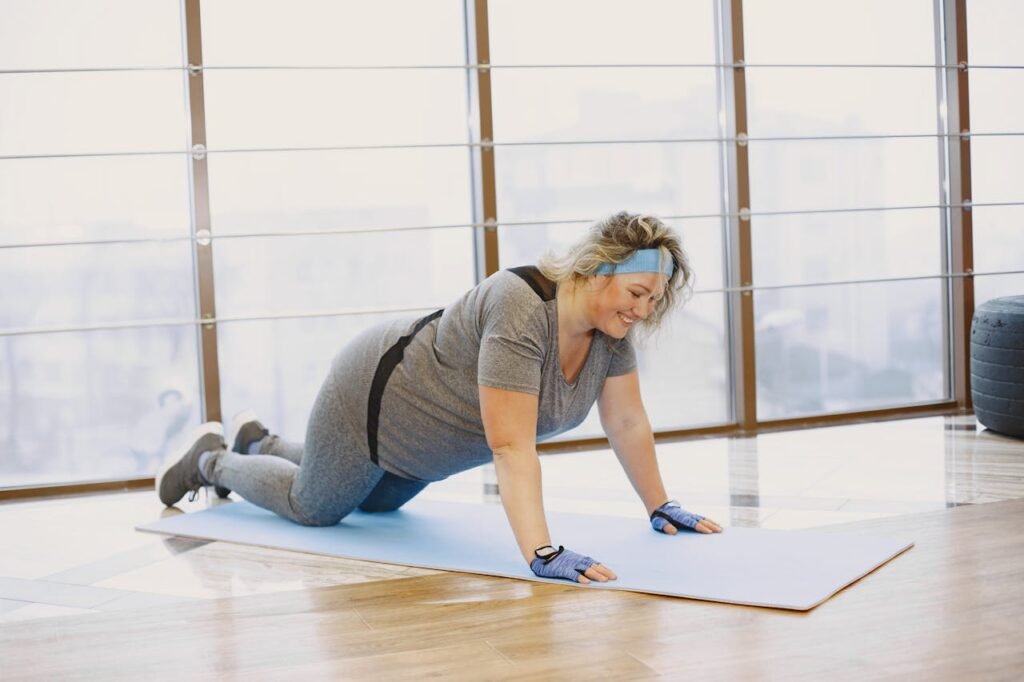
While there are benefits to playing sports, there are also barriers people encounter to sport participation. Some barriers include:
Time – restrictions due to work and family obligations.
. Cost – equipment and facility costs.
. Injury – resulted in an experience where individuals are discouraged from participating.
. Access – limited options to play in a safe area in rural or urban contexts.
Promising solutions include:
. Finding ways to incorporate sports into our daily life (e.g., biking to work).
. Increasing community-based sports programs.
. Providing education or information on injury prevention and safe training.
. Increasing public investment in sport facilities and awareness programs.
7. Case Studies and Real-Life Examples
7.1 Scandinavian Countries
Scandinavian counties such as Norway and Sweden focus on providing a life-long integration of sport with both education and community. More people in the Scandinavia are physically healthy and a lower proportion are (b) obese because of the commitment to elite, structured, sport-based participation and normalized activity.
7.2 Japan
Japan, and its diet in conjunction with the country’s appreciation for constant physical activity is, in part, responsible for the low occurrence of obesity and high life expectancy. Daily exercise is built into the school system, and sports are a requisite and expectation; it is not viewed as extracurricular activity.
7.3 Professional versus Recreational Sport Participants
Even professional athletes are at risk for poor health due to overtraining and extreme activity levels, whereas little or no risk is associated with recreational participation in sport, and the engagement yields positive health outcomes. The important difference is not clearly in the level of competitiveness and intensity participating levels, but in how often those participants remained present and accounted for throughout their personal life spectrum.
Conclusion
Sports are not merely games; they are vital components of human health and wellbeing. They also strengthen bones and muscles, enhance cardiovascular health, increase metabolism, regulate weight, improve metabolic syndromes, such as hypertension or chronic illness and promote wellbeing. They also promote or improve mental health, reduce daily stress and promote healthy lifelong routines and habits. Across different ages, they improve resilience and create social networks, enhance quality of life.
