
Introduction
Water is the foundation of life itself. Every living organism needs water in order to exist. Water is as crucial to human sustenance as it is to good health and wellness. The human body consists of approximately 60–70% water, depending on age, sex, and body composition. This in itself indicates the extent to which water is involved in the functions of the body. However, just as important as water is in sustaining life, many still take water for granted and replace water with sugary beverages, soda, or caffeinated drinks.
Drinking a variety of water every day is one of the simplest and best habits to ensure a healthier lifestyle. Water is needed for countless physiological processes such as temperature regulation, to supporting brain function, and many more physiological processes; it is essential for the body to function properly and efficiently. In this article, I will examine an array of benefits drinking plenty of water has to your health, while showcasing scientific evidence and practical applications.
1. Water and Its Importance for the Human Body
Before discussing its specific benefits, it is also important to understand water’s general physiology role in the human body. Water is critical to nearly every physiological function in the body, such as:
. Cellular processes: Water is considered the vehicle for all biochemical reactions that take place in the body.
. Nutrient transport: Water is necessary to transport nutrients and oxygen to the body’s cells and to rid the body of waste.
. Lubrication: Water lubricates our joints, tissues, and organs, allowing movement to be smoother and with less friction.
. Temperature regulation: Water helps regulate our internal temperature via sweating and respiration.
If we do not drink enough water, these systems will slow down until ultimately leading to fatigue, less than optimum performance, and extreme health problems.

2. Hydration, Energy Levels
The most common side effect we feel with dehydration is fatigue. Even mild dehydration, which is defined as losing just 1-2% of body water, can change energy levels and mood significantly. When your body is short on water, blood volume decreases, meaning the heart has to work harder to deliver oxygen and nutrients to our muscles and organs. Working harder to do the same thing causes tired, lethargic feelings.
Conversely, drinking an adequate amount of water increases circulation, balances blood pressure, and enhances oxygen flow. This keeps the body fueled and allows people to complete normal activities much more efficiently. Proper hydration also helps athletes and physically active persons recover lost fluids from sweating and experience less fatigue.
3. Mental Function and Cognitive Clarity
The human brain consists of nearly 75% water and is purposefully built to function and perform optimally when it is well hydrated. Research conducted by multiple studies shows that dehydration compromises concentration, memory, alertness and cognitive function. Students, professionals and anyone who needs to sustain focus or concentration over long periods of time should make sure to stay hydrated.
Water also regulates mood. Studies have shown there is a relationship between dehydration and an increased level of irritability, anxiety and impaired concentration. Staying well hydrated throughout the day will improve cognitive clarity, decision-making and emotional regulation.
4. Water and Digestive Health
Water is critical in function of the digestive system, and is involved in all aspects of digestion:
. Saliva: Water is a main component in saliva, which is needed to solubilize food in order to begin the digestive process.
. Absorption: Water is needed to solubilize nutrients in the stomach and small intestine before nutrients are absorbed into the bloodstream.
. Constipation: Adequate levels of hydration functionality varies from easily passed, soft stool and/or an irregular schedule in bowels.
Usually, if a person doesn’t drink enough water, they will experience bloating, indigestion or constipation and discomfort after eating. Drinking plenty of water, especially before and after meals, has a huge impact on digesting food and getting nutrients into the body.
5. Detoxification and Renal Health
The kidneys serve as the body’s filtration system and water is their biggest ally. By staying well-hydrated, toxins and waste products are removed from the body via urine, thus lowering the risk of kidney stones and urinary tract infections.
When we are dehydrated, the kidneys are forced to retain as much water as possible to protect the body. This causes urine to become concentrated, which increases probability of minerals accumulating, and forms stones. Continual hydration helps your urinary system stay healthy and moving.
6. Skin Care and Appearance
Many people buy expensive skincare products not realizing water is one of the best natural skincare helpers. Adequate hydration helps:
. Maintain skin elasticity and suppleness
. Decrease dryness or flakiness
. Aid in faster healing of wounds and scabs
. Improve overall complexion by flushing and eliminating toxins.
Drinking water alone will never guarantee we won’t age and still won’t help all skin conditions. However, it will provide the best basis for glowing, youthful-looking skin.

7. Weight Control and Appetite Suppression
Water can be a useful ally in managing weight. Water contains no calories and can act as a natural appetite suppressant. Research indicates that if people drink a glass of water before meals it may help to decrease their caloric intake by creating a sense of fullness.
In addition, people frequently confuse thirst with hunger. Drinking water before snacking may show that hunger was actually misguided thirst. Drinking water can also raise metabolism temporarily, meaning that drinking water means burning more calories.
8. Enhancing Physical Performance
For athletes and active people, water is vital for performance. During exercise, the body loses water through sweat and failing to replace that lost water may lead to:
. Muscle cramping
. Less endurance
. Less strength
. Heat exhaustion or heat stroke
Drinking enough water means proper hydration, which means muscles receive oxygen and nutrients it needs to perform without fatigue. Sports science suggests that people should hydrate before, during and after exercise to support stamina and recovery.
9. Regulating Temperature
Water regulates body temperature with perspiration and breathing. When the body becomes overheated, it releases moisture when it sweats, and when this moisture evaporates, it cools the skin. This, however, only works as long as the body is hydrated and, if not, there becomes a high risk of overheating.
In warm environments, or when working outside or working out, drinking plenty of water reduces the risk of heat-related disorders, such as dehydration heat cramps, heat exhaustion, or, ultimately heat stroke.
10. Heart Health
Drinking plenty of water improves heart and circulatory health. Proper hydration facilitates the maintenance of healthy blood volume and, therefore, healthy strain on the heart. Dehydration thickens the blood, which increases the risk of high blood pressure, clotting, and a number of cardiovascular complications.
Taking into account hydration as a habit overtime is associated with decreased occurrences of heart disease. This means drinking water is not only important for what you do in the present, but also for heart health over the long term.
11. Joint and Muscle Health
Water serves as a lubricant and shock absorber to joints. The cartilage that cushions our joints is made of up to 80% water. When we are dehydrated, the joints lose some of their flexibility and become more uncomfortable and at risk of injury.
Muscles also need water to prevent cramps and to maintain elasticity in muscle tissue. Hydration is especially important for athletes, as well as older adults, to support mobility and flexibility, and general benefits to musculoskeletal health.
12. Water’s Influence on Immune Function
Convenient hydration improves immune function. Specifically, water delivers oxygen to cells and allows immune cells to circulate efficiently, giving them the transitory edge when combating infection. Hydration also helps to expel toxins and pathogens by flushing them through urine, sweat, or mucous.
Dehydration reduces the immune system’s above functions, leaving the body more susceptible to illness, which is why consistently drinking water is a quick and simple way to promote overall immunity.
13. Prevention and Management of Headaches
One of the most common symptoms of dehydration is headaches. Dehydration will narrow blood vessels and limit oxygen to the brain, causing the resultant headache pain. People with frequent headaches or migraines frequently have their condition improved with increased hydration.
Drinking water may not resolve every headache but for most headaches, drinking water may significantly reduce the intensity and frequency of headaches.
14. Water and Emotional Well-Being
Hydration states can also affect one’s emotional health. Research also indicates that dehydration can increase the level of cortisol (stress hormone) in humans. This increase in a stress level may lead to heightened irritability, anxiety or low mood. Hydrating throughout the day will help the body to maintain the hormonal states and allow for a greater sense of calm and emotional resilience.
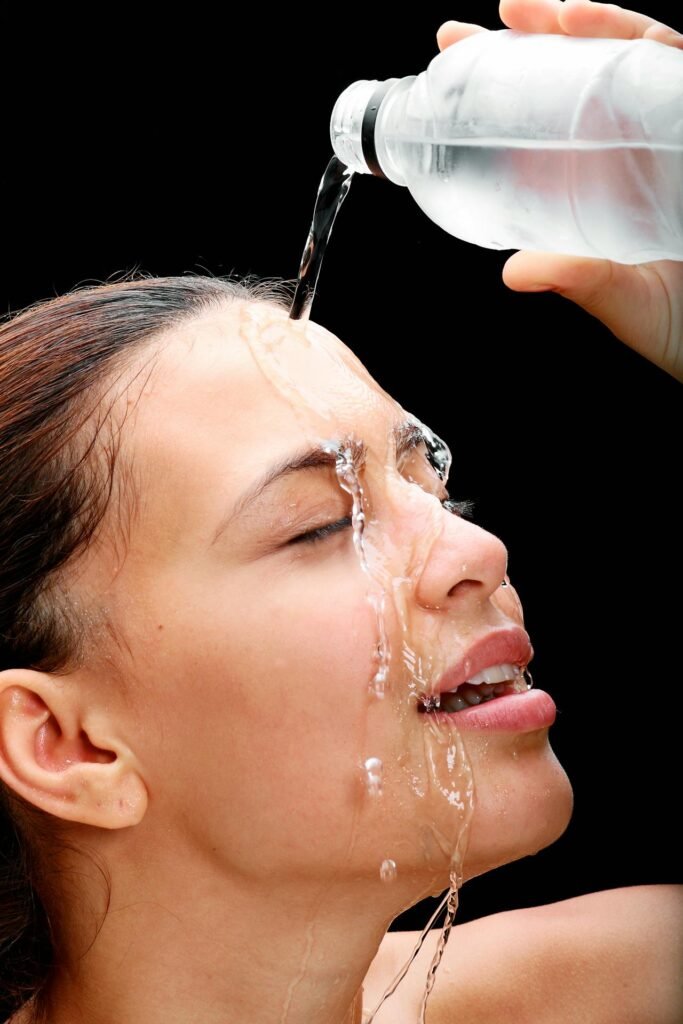
15. Practical Suggestions for Staying Hydrated With Water
As a reminder, while we are very aware of the benefits behind hydration, many people have a hard time drinking enough water every day. Some helpful tips that we could once again try include:
1. Starting your day with some water in the New Day – Drink a glass of water as soon as you wake up.
2. Carrying around a reusable water bottle – Keep water within reach – ready for that thirsty moment.
3. Setting reminders on your phone – Using apps on your phone or setting an alarm on your phone/ watch and consciously checking to make sure you hydrate.
4. Natural flavoring – Squeeze fresh lemon – Slice fresh cucumber, or mint to taste – no sugar required.
5. Drink water before meals – Helps with digestion or will assist you in not overeating.
6. Hydrate with foods – Fruits and vegetables with high water content (watermelon, cucumber, oranges) – consider the watermelon!
7. Watch your urine color – Yellow very light urine means you are staying pretty hydrated.
16. Exercise, Stamina, and Athlete Recovery
Hydration is a key aspect of performance in physical activity. The body loses huge quantities of water and electrolytes when people sweat during physical exercise. The impact of dehydration can mean:
. Muscle cramping and/or fatigue in muscles
. Heat exhaustion
. Fatigued too early
. Loss of strength and/or coordination
By drinking fluids before physical activity, during physical activity, and after physical activity, the individual will experience enhanced stamina and accelerated recovery, which add protection from injury.
17. Water and Body Temperature Regulation
Water serves as a natural thermostat in the body. Sweating and evaporation prevent the body from becoming too hot when exercising outside during hot weather or when you’re performing exercise. In cooler conditions, staying hydrated will help maintain circulation and warmth in the body.
If the body does not have adequate amounts of water, the capability of the body to regulate temperature is compromised, and an individual could be susceptible to circumstances of heat stroke or hypothermia depending on the climate.

18. Heart and Circulatory System Health
The average heart pumps approximately 2,000 gallons of blood in a day, and water is an important function for ensuring that the circulatory system remains healthy. Hydration helps:
. Blood volume projects stability.
. Preventing blood from clotting too thick.
. Lowering the pressure against the heart muscle.
. Supporting healthy blood pressure.
When hydration becomes habitual, it protects against heart disease, strokes, and/or hypertension over the course of one’s life.
19. Good Joints and Muscles
Most of the make-up of cartilage, which cushions joints, is made up of water. Hydration keeps the joints moving smoothly and reduces the chance of stiffness and pain. Athletes and older adults especially benefit from how water protects joints.
In terms of muscles, water helps prevent cramping, elasticity of muscles, and recovery from workouts.
20. Immune system booster
Water helps support immune defense in the following ways:
. Helping white blood cells to circulate correctly
. Flushing the body of toxins and pathogens
. Keeping the mucous membranes of the body moist so germs cannot enter
Staying hydrated provides an environment in which the body can fight infection more effectively.
21. Hydration and Headaches
A lot of headaches, including migraines are caused by dehydration. When the brain is not getting enough water, then the blood vessels narrow, which reduces the amount of oxygen that can go to the brain, resulting in pain. Drinking water can reduce the severity and frequency of headaches.
22. Emotion and Mental Health
Hydration also affects the mind as well as the body. Proper hydration has been linked to the following:
. Lower stress levels
. Better mood stability
. Reduced anxiety levels
. Increased sleep quality
As result, water is needed in the mind as well as the body as having a natural booster to mood.

Conclusion
Water is more than just a thirst-quencher; it is the basis of life and health. Water nourishes and invigorates the body and mind; it supports digestion, circulation, skin health, immunity, and every other system of the body, inside and outside. Drinking adequate water regularly is one of the easiest, cheapest habits you can take on toward a healthy and vibrant life.
