
Introduction
Hypertension, also called high blood pressure, is one of the most common chronic diseases in the world. Hypertension is often termed a “silent killer” because the disease most often develops without noticeable symptoms, but ultimately can lead to serious complications like heart disease, stroke, kidney failure, and vision loss. According to the World Health Organization (WHO), more than 1.28 billion people worldwide are living with hypertension, and almost half of them do not even know they have the disease.
High blood pressure can happen to anyone, regardless of a person’s age, sex, or ethnicity. However, lifestyle factors, genetics, and environmental factors are significant contributors to the incidence of hypertension. The good news is that hypertension can frequently be prevented or effectively managed through lifestyle modification, early identification, and appropriate management of hypertension.
In this article, we will review and talk about the causes and risk factors for developing the disease and potentially most importantly prevention strategies for hypertension; we will present the material so you can learn as much about hypertension as possible to help promote awareness and healthier life styles.
What Is Hypertension?
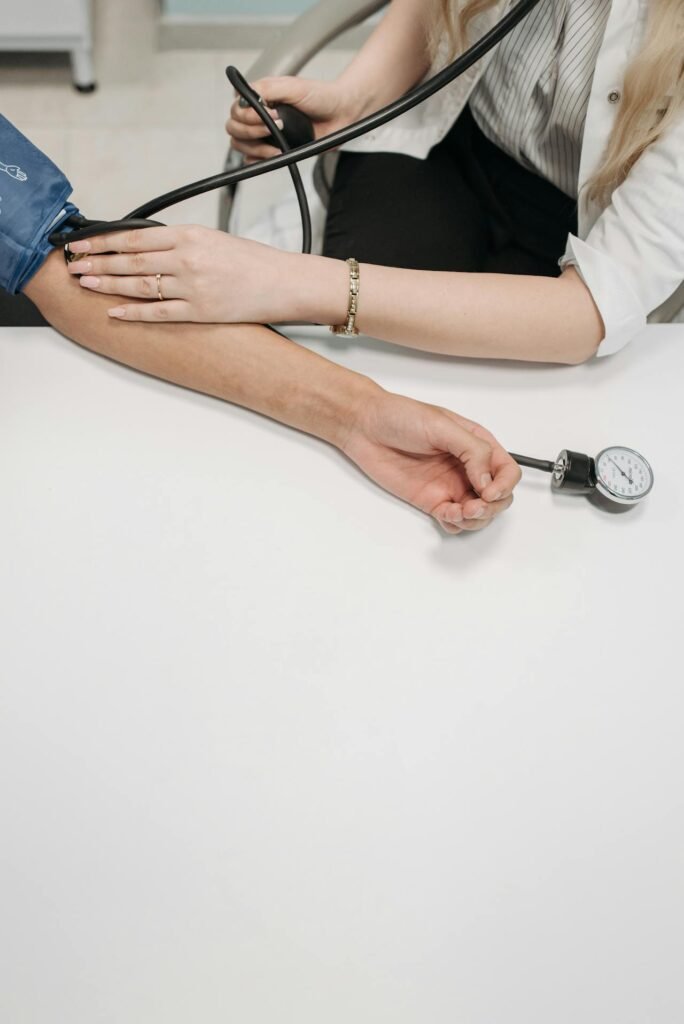
Blood pressure is the force of the blood that circles the body that is against the walls of the arteries. It is measured in millimeters of mercury (mmHg) and is recorded as two numbers:
. Systolic pressure (the top number): the pressure in the arteries when the heart beats.
. Diastolic pressure (the bottom number): the pressure in the arteries when the heart rests between beats.
A normal blood pressure reading is less than 120/80 mmHg. Hypertension is diagnosed when the readings are consistently 130/80 mmHg or higher, depending on guidelines given by the American Heart Association (AHA) and others.
Blood Pressure Categories
1. Normal: less than 120/80 mmHg
2. Elevated: Systolic 120-129 and diastolic less than 80
3. Stage 1 Hypertension: Systolic 130-139 or diastolic 80-89
4. Stage 2 Hypertension: Systolic ≥140 or diastolic ≥90.
5. Hypertensive Crisis: Systolic >180 or diastolic >120 (requires immediate medical attention).
Causes and Risk Factors
Hypertension can be classified into two types:
Primary (Essential) Hypertension:
. The most common type, develops gradually over many years and does not have a clear cause.
. Causes seem to be related to genetics, age, and lifestyle.
Secondary Hypertension:
. Caused by conditions such as kidney disease, adrenal gland problems, thyroid problems, and medications (such as birth control pills or decongestants).
. Secondary hypertension tends to show itself suddenly and result in higher blood pressure than primary hypertension.
Key Risk Factors:
. Age: The risk rises as one ages.
. Family History: Genetics have a significant role.
. Obesity: Extra weight places added pressure on the heart.
. Sedentary Lifestyle: Not being active can lead to extra weight and poor circulation.
. Unhealthy Diet: Eating foods high in sodium, low in potassium, and processed foods can increase the risk of blood pressure problems.
. Drinking Excessive Alcohol: This can cause damage to the heart as well as arteries.
. Smoking: Smoking damages blood vessels, which adds to plaque in the arteries.
. Chronic Stress: Chronic stress hormones (e.g. cortisol) can raise blood pressure.
. Medical Conditions: Diabetes, high cholesterol, and kidney disease are strongly associated with one another and are serious risk factors.
Signs of Hypertension
Hypertension is usually asymptomatic which is why regular screening is very important. However, there a few signs and symptoms that may occur when the blood pressure is at such high levels…
. Severe headache
. Shortness of breath
. Chest pain
. Nosebleeds
. Irregular heartbeat
. Vision issues
. Fatigued or confused
Because symptoms may not happen until good damage is already done, hypertension is typically discovered during an annual physical.
Consequences of Hypertension that is not Controlled
If not controlled, hypertension can lead to devastating complications, some of which are life-threatening. These complications include:
1. Cardiovascular Disease: Higher risk of heart attack, heart failure, and ruptured aortic aneurysms.
2. Stroke: Increased pressure can weaken or cause the blocking of blood vessels in the brain.
3. Kidney Damage: Hypertension is a leading cause of chronic kidney disease.
4. Vision Loss: Damage to the small blood vessels in the back of the eyes, referred to as hypertensive retinopathy.
5. Dementia: Long-term hypertension can be attributed to dementia and Alzheimer’s disease.
6. Peripheral Artery Disease: Reduced blood flow to the limbs, leading to pain and poor circulation.
Prevention of Hypertension
The best way to control hypertension is prevention. Slightly changing your lifestyle can reduce your risks and improve your health tremendously. Use the following evidence-based guidelines to prevent high blood pressure.
1. Maintain a healthy weight.
. Having excess body weight is directly related to hypertension.
. Even losing a little weight from 5-10% of your body weight, can produce a significant reduction in blood pressure.
. Aim for Body Mass Index (BMI) of the body between the range of 18.5-24.9.
2. Maintain a Well-Equipped Diet
. Adhere to the DASH Diet (Dietary Approaches to Stop Hypertension):
. It highlights:consumption of fruits, vegetables, whole grains, lean protein, and low-fat dairy.
. It emphasizes : under consumption of; saturated fats, trans fats, and cholesterol- enhancing factors.
. Reduce sodium intake: The WHO recommends less than 5 grams of salt each day.
. Increase potassium intake: Items that tend to be contain potassium are bananas, oranges, sweet potatoes, and spinach.
3. Exercise Regularly
. Minimum of 150 minutes of moderate-intensity exercise a week, like brisk walking, biking, or swimming.
. Exercise helps you to maintain a healthy diet, reduces stress-levels and helps with heart functioning.
4. Minimize Number of Drinks
. Men: no more than 2 drinks a day. Women: no more than 1 drink a day
. Alcohol consumption increases blood pressure and concentric stiffening of the heart.
5. Avoid Smoking.
. Increases blood vessel damage and has been determined to be a direct proportion and accelerated hardening of the arteries.
. Quitting smoking reduces the risk of heart disease and complications of hypertension, almost immediately.
6. Manage Stress
. Chronic stress is some case of hypertension.
. Ways to reduce chronic stress potentially include: meditating, breathing deeply, journaling, sleeping more, yoga etc.
7. Get Regular Check Ups
. Regular blood pressure checks will identify hypertension early.
. As a general guideline adults should have at least an annual BP check, but potentially multiple times a year if they are at a risk “.”
8. Enhance Sleep Quality
. Poor sleep and sleep disorders like sleep apnea contribute to a greater risk of hypertension.
. Strive for 7-9 hours of quality sleep each night.
9. Avoid Caffeine
. Some people are more prone to caffeine consumption, so it can increase blood pressure temporarily.
. It is best to pay attention to your body and reduce intake if necessary.
10. Develop Healthy Habits at a Young Age
. With the prevention of hypertension, all people, including children, should be taught about health eating, daily exercise, . . . . avoiding smoking, and limiting sugar intake.
Treatment and Management
In the event that lifestyle modifications are insufficient, medication may be necessary. Antihypertensive medications commonly prescribed include:
. Diuretics- Support your body in removing excess sodium and water.
. ACE Inhibitors and ARBS, – Relax blood vessels.
. Calcium channel blockers- Prevent calcium from entering heart and blood vessel cells.
. Beta blockers, – Slow heart rate and heart workload.
Patients should never stop taking medications prescribed by a doctor without consulting a doctor first. Usually the most effective treatment for management of blood pressure involve the combination of medication and lifestyle modifications.

Living With High Blood Pressure
For many people, hypertension is a chronic condition that can be managed. Important things you can do to live with high blood pressure are:
. Monitor your numbers: Record your numbers at home.
. Follow your treatment: Take your medications as prescribed.
. Stay informed: Learn about risk factors and prevention.
. Encouragement: Ask family and friends to help you to change your lifestyle.
Nutritional Point of View: Foods that Help You and Foods that Aren’t Healthy Foods that Help You Lower Your Blood Pressure.
Foods that Help Lower Blood Pressure
. Leafy greens: such as spinach, kale, and collard greens.
. Fruits: bananas, oranges, and berries (all of these have a higher potassium and antioxidant capacity).
. Whole grains: such as oats, brown rice, and quinoa.
. Legumes: such as beans, lentils, or chickpeas.
. Fish: salmon, mackerel, sardines (increased omega-3 fatty acids).
. Low-fat dairy: yogurt and skim milk.
. Nuts and seeds: almonds, flaxseeds, and chia seeds.
Foods to Avoid
. Processed meats: sausages, hot dogs, or bacon (often high in sodium).
. Sugary foods and drinks: contributes to obesity and diabetes.
. Fried and fast foods: often contain unhealthy fats often high in salt.
. Canned soups and sauces: often heavily loaded with sodium.
. Too much alcohol: increases blood pressure and CVD and damages the liver.
High Blood Pressure in Kids and Teens
High blood pressure is not only a disease of adults anymore. More instances are seen reported in kids and teens and this is related to:
. Higher rates of child obesity
. Poor diets which are high in sugar and salt
. Sedentary lifestyle (spending time on screens rather than playing outside)
. Stress from academics and social pressures.
Managing Stress to Improve Blood Pressure
. Mindfulness meditation
. Prayer/spiritual modalities
. Counseling/therapy
. Time management/relaxation time
. Social support from family or friends
Role of Society and Government
Preventing high blood pressure is not only the individual work; communities and governments have a part as well, which includes:
. public health campaigns about eating healthy
. policy’s to lower salt content in processed foods
. urban planning that perks people to walk or bike
. easy access to health care for regular checks
. school programs that promote healthy habits to children
The Future of Managing Hypertension
. Wearable devices: smartwatches and BP monitoring devices for real-time monitoring
. Artificial Intelligence (AI): determination of the likelihood of hypertension and personalized treatment
. Precision medicine: genetic profiling for determining best drug therapy
. Nanotechnology: development of better and targeted drug delivery systems
. Telehealth: remote management and counseling for the client.

Conclusion
High blood pressure is a significant public health problem for the health of millions around the world. While concerning, it is largely preventable through healthy lifestyle interventions and regular doctor visits. A balanced diet, regular exercise, a healthy weight, reducing stress, not smoking, and low/moderate alcohol can all help lower the risk of high blood pressure.
