
Introduction
The concepts of nutrition and diet are fundamental to human survival, health, and longevity. The food we eat affects every aspect of life – from our levels of physical energy and mental clarity and focus to disease prevention and aging. Despite this nutrition connection, many (if not most) people struggle to eat in a balanced way in today’s fast-paced world of ultra-processed food, sugary drinks, and sedentary lifestyles.
This resource covers everything you want to know about nutrition and diet, including what nutrients are necessary, how to eat healthy, what diseases are related to diet and nutrition, how to meal plan and food prepare in a practical way, and the challenges of nutrition in the world today.
What do we mean by Nutrition and Diet?:
 • Nutrition refers to the science of how the body obtains and utilizes the food it needs to grow, repair, and maintain necessary life processes.
 • Diet refers to the overall food and drink consumed regularly by a person.
A healthy overall diet is one that has an appropriate balance of macronutrients (carbohydrates, proteins, fats) and micronutrients (vitamins and minerals) that most carefully and appropriately fuel the body.
Importance of Nutrition to Human Health
1.Energy and vitality. Carbohydrates and fats provide energy while proteins are integral to building and repairing tissues.
2.Prevention of diseases. When we eat a balanced diet, we reduce risk factors for heart disease, diabetes, obesity, and cancer.
3.Mental performance. Nutrients, such as omega-3 fatty acids and B vitamins will improve our mood, focus, and memory.
4.Strong immunity. Vitamins C & D and zinc are important in fighting outside pathogens or infections.
5.Lifelong. A health-conscious lifestyle can reduce aging and help us live more healthfully into older age.
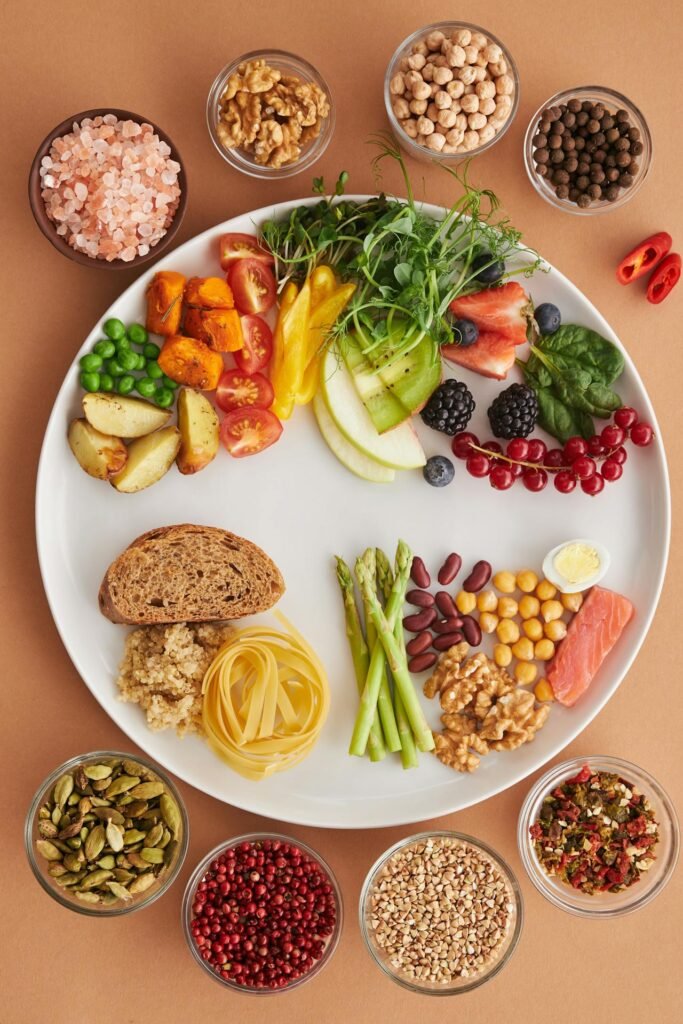
The 6 Essential Nutrients
1.Carbohydrates:
- Function: Energy; it is the chief source of energy.
- Sources: Include whole grains, fruits, vegetables, and legumes.
- Types – Simple versus Complex:
- Simple carbohydrates are sugars or sweets, and they are a source of quick energy but low in nutrient value.
- A complex carbohydrate is a healthier choice, such as oats, brown rice, and quinoa, which provide energy in a delayed form, as well as fiber.
2.Protein:
- Function: Building muscle, repairing damaged tissues/cells, and secreting hormones.
- Sources: Include mean, poultry, fish, eggs, beans, lentils, or nuts.
- Importance: Protein sources are important when considering nutrition for children, athletes, and the elderly.
3.Fats:
- Function: Storing energy, regulating hormones, and absorbing vitamins.
- Sources:
•Healthy fats include avocados, olive oil, nuts, seeds and fatty fish.
•Unhealthy fats include trans fats, and an overabundance of saturated fats found in fried and processed foods.
Vitamins:
• Vitamins that dissolve in fats (A, D, E, K): Fat-soluble vitamins are stored away in fat cells. They are crucial for vision, immunity, and bone health.
• Vitamins that dissolve in water (B-complex, C): Water-soluble vitamins are only stored for a short period and hence a steady supply is necessary.
Minerals:
• Macronutrients: Calcium (helps with bones), Magnesium (helps with muscles), Potassium (helps with heart health).
• Trace: Iron (helps with blood), Zinc (helps with immune function), Iodine (helps with the function of the thyroid).
Water:
• Function: Digestion, circulation, temperature regulation, elimination of toxic waste.
• Recommendation: Aim to drink 2–3 liters of water each day, expending more water in a hot climate or during exercise.
Healthful Dietary Patterns:
Mediterranean Diet
• Consuming more fruits and vegetables, olive oil, and fish.
• Strong evidence with the Mediterranean diet showing fewer cardiovascular diseases and improved longevity.
DASH Diet
• Dietary Approaches to Stop Hypertension.
• Emphasizes more whole grains, vegetables, and lower sodium levels.
Plant-based Diets
• Vegan and vegetarian diets are beneficial to reduce blood cholesterol levels and prevent the risk of chronic diseases.
• These diets need to pay close attention to proper vitamin B12 and iron intake.
Balanced Diet
• All food groups with moderation.
• Emphasis on variety, moderation, and portion control.

Nutrition Through the Life Span:
Infants and Children:
• Breast milk or formula will provide complete nutrition during the early stages of life.
• Growth and development require a significant amount of protein, calcium, iron, and vitamins.
Adolescents:
• Double the calorie intake for adolescents for rapid growth spurts and hormonal discovery of life, plus an adequate calcium and iron intake.
Adults:
• A well-balanced diet will prevent illness of chronic disease and provide the energy to work and fulfill family life.
Elderly:
• Need for protein, calcium, vitamin D, and fiber increases in older adults.
• Hydration is sometimes a forgotten consideration for older adults.
Widespread Nutrition Problems in Today’s Environment:
- Processed Foods – Typically loaded with salt, sugar, and harmful fats.
- Sugar Addiction – Connected to obesity, diabetes, and tooth decay.
- Portion Distortion – Allowing the portion sizes available to cause overeating.
- Sedentary Lifestyles – Not as many calories are burned in a day as consumed.
- Food Insecurity – Millions do not get enough nutrition, or have malnutrition, each day due to lack of money for food.
Nutrition and Disease Prevention:
Heart Disease
• Avoid trans fats, too much salt, and too much sugar.
• Eat foods with fiber, omega-3 fatty acids, and lean protein.
Diabetes
• Eat whole grains, fruits, and vegetables.
• Reduce refined sugars in the diet, and keep body weight in a healthy range.
Cancer
• Antioxidants found in berries, leafy vegetables, and nuts protect DNA within the body.
• Reduce both processed meats, as well as high amounts of alcohol consumption.
Obesity
• Controlling portion size, being physically active, and getting rid of junk food.
Osteoporosis
• Making sure there is enough calcium and vitamin D, as well as doing weight-bearing exercises.

Nutrition and Mental Health:
• Brain Foods: Fish, nuts, whole grains, and dark leafy vegetables.
• Gut-Brain Connection-making probiotics, and fiber, a part of the diet can help improve mood and reduce anxiety.
• Hydration- Even mild dehydration has shown to lower memory and concentration.
Useful Suggestions for a Healthy Diet
- Eat the rainbow (diverse colorful vegetables and fruits).
- Drinking water before a meal is also a good way to control overeating.
- Cook more at home to have control on whats in the food.
- Do not skip breakfast as it sets the days energy.
- Prefer whole fruits to juices.
- Limit fried foods and desserts.
- Be mindful of eating – eating slowly and without distraction. ⸻
Balanced Diet Example Plan:
Breakfast (almost all whole food)
- Oatmeal with fruit and nuts
- Green Tea or water
Lunch:
- Grilled chicken (tofu as alternative) and quinoa with steamed vegetables
- Fresh fruit salad
Snack:
- Greek Yogurt with honey and nuts
Dinner:
- Salmon with brown rice and broccoli (yogurt for dessert)
- Herbal Tea
Hydration:
- 8–10 glases of water throughout the day
Perspectives on Nutrition and Dietary Choices:
- Countries that are developed: Obesity and lifestyle diseases are an increasing problem due to processed foods.
- Countries that are developing: Malnutrition, stunting children, and vitamin deficiencies are often problems.
- Sustainable nutrition: Eco-friendly diets and eating in more sustainable ways are in view of good health through protection of the environment.
Nutrition myths or beliefs:
- Carbohydrates are bad. Truth: Whole carbs are necessary for energy.
- Fat makes you fat. Truth: Healthy fats make it easier to manage weight.
- Skipping meals assists with weight loss. Truth: This usually leads to overeating later.
- All calories are the same. Truth: The quality of the nutrients matters more than the numbers.
Frequently Asked Questions (FAQs):
Q1: What is the ideal healthy diet?
There is no single diet that is perfect for everyone. However, a well-balanced diet based on whole foods, a variety of lean proteins, healthy fats, and limited processed foods is likely to be the healthiest.
Q2: How many meals should I have in a day?
3 main meals with 1–2 responses between meals is a good structure for most people. There is larger value in consistency than anything else.
Q3: Should I take supplements?
Supplements certainly can help fill the gaps if supplements are needed in the diet, but whole foods are the best source of nutrients.
Q4: How can I eat healthy under budget?
Purchase seasonal fruits and veggies, purchase whole grains in bulk, and cook meals at home.
Q5: How quickly can I expect changes in health from dietary changes?
Most changes can be noticeable within a couple of weeks; increased energy levels, improved digestion, and even improved skin health can happen quickly.
Conclusion
Nutrition and diet are the cornerstone of a healthy life. A healthy and balanced diet fuels our bodies, sharpens our minds, prevents disease, and increases longevity. Life is challenging in a time with increased access to processed foods, sugar addiction, and unhealthily lifestyles, but with careful thought put into food choices most health outcomes can dramatically improve through nutrition and diet choices.
Final thoughts: Eat wisely today and invest in your future tomorrow! Balance, moderation, and variety are the components to a lifetime of health and wellness.
