
Introduction
Hair has long been seen as a reflection of health, vitality, beauty and identity. From ancient cultures to modern-day, hair has served important roles in self-expression, social status and culture. From the elaborate hairstyles of civilization to modern-day, hair has remained an important part of self-image and confidence. Caring for hair is more than simply styling, one needs to factors proper care and balanced nutrition, lifestyle choices, and at times a doctor.
This article will examine the science of hair, the importance of hair care, what impacts hair health, prevention, treatments and daily habits that will aid in developing strong, shiny, healthy hair.
Understanding Hair: Structure and Function
Anatomy of Hair
Hair is made up mostly of the protein keratin, which is also the primary structural component of skin and nails. Each hair consists of two basic components:
1. Hair Shaft –The visible portion of hair that extends above the scalp .
2. Hair Follicle – A tubular structure within the dermis (skin) that secures each hair in the skin .
The hair bulb resides within the follicle. It divides and creates new living cells that push the hair shaft upwards and outwards. Blood vessels surrounding the follicle deliver nourishment to the cells and hormones that affect hair growth and structure .
Layers of the Hair Shaft
The hair shaft is comprised of three layers:
. Cuticle – The outermost layer of the hair shaft is comprised of flat cells that overlap, and serve to protect the inner layers.
. Cortex – The middle layer of the hair shaft that gives strength, elasticity, and its color (from melanin).
. Medulla – The inner layer of the hair shaft (not always present for thin hairs) that provides support and structure”
Hair Growth Cycle
The hair growth cycle has three primary phases:
1. Anagen (Growth Phase) – Lasts for 2 to 7 years; this establishes the length of the hair .
2. Catagen (Transitional Phase) – A brief transition phase (2 to 3 weeks), in which growth ceases and the follicle shrinks.
3. Telogen (Resting Phase) – Lasts about 3 months; older hair sheds, and new hair growth begins .
Hair typically grows at a rate of about 0.5 inches (1.25 cm) a month, or 6 inches (15 cm) a year, and is primarily determined by genetics, age, health and care .
Factors Affecting Hair Health
There are many internal and external factors that impact hair health:
1. Genetics
Genetics determines color, texture, thickness, and rate of growth. Conditions like androgenetic alopecia (male or female pattern baldness) are strongly related to genetics.
2. Nutrition
The hair follicles are some of the most metabolically active cells in the body, and thus require sufficient nutrition for growth. Deficiencies of nutrients including protein, iron, zinc, vitamin D and B vitamins can cause thinning, dull and shedding hair.
3. Hormones
Hormonal disturbances from pregnancy, menopause, thyroid imbalances, or stress hormones (cortisol) are well established as hair growth and loss factors
4. Lifestyle
Smoking, excess alcohol intake, not enough sleep, and chronic stress can negatively impact blood flow and nutritional supply to the hair follicles.
5. Environmental Factors
Sun exposure, air pollution, harsh weather and hard water can dry out the hair shaft and cause breakage, increased dryness and split ends.
6. Hair Care Habits
Excessive heat styling, harsh chemicals such as hair dyes, hair bleaches or relaxers and tight hairstyles can negatively impact hair structure or cause hair to break or be prone to traction alopecia.
Common Hair Problems – Causes
1. Hair loss (Alopecia)
Hair loss both temporary and permanent can occur for several reasons including:
. Genetics (pattern baldness)
. Nutritional deficiency (iron, protein, biotin, vitamin D)
. Stress and trauma (in cases of telogen effluvium)
. Underlying medical conditions (such as thyroid disease, autoimmune diseases)
. Medications (chemotherapy, blood-thinners)
2. Dandruff and Scalp Concerns
Flaky scalp may be caused by:
. Overgrowth of yeast (Malassezia)
. Dry scalp or seborrheic dermatitis
. Harsh shampoos
. Allergy to a hair product
3. Dry and Brittle Hair
Over-washing, heat styling, chemical treatments, and low humidity can contribute to dry and brittle hair.
4. Oily Hair
Excessive oil production from the sebaceous (oil) glands can make hair greasier and make the scalp more prone to acne.
5. Split Ends (Trichoptilosis)
The cuticle that protects the hair wears away, leaving the hair shaft unprotected and leading to split ends.
6. Graying of Hair
The graying process is usually related to age, but it can also be accelerated by stress, genetics, or a deficiency in vitamin B12.
Nutrition and Hair Health
Eating a balanced diet is important for strong, healthy hair. Some of the primary drugs you should consider for healthy hair include the following:
. Protein – A critical building block of hair (keratin). Usually found in eggs, fish, lean meats, and legumes.
. Iron – Helps prevent hair shedding. Iron is found in spinach, red meat, and lentils .
. Zinc – Helps with growth and repair of hair tissues .
. Omega-3 Fatty Acids – Provide nourishment to hair follicles. Found in salmon, chia seeds, and walnuts .
. Vitamins A & E: Helps with scalp oil production, and serves as antioxidants .
. Vitamin D: Has a role in the cycling of hair follicles .
. B Vitamins (Biotin, Niacin, B12) – Improves hair thickness and prevents hair loss “
Hair Care: Best Practices
1. Cleansing
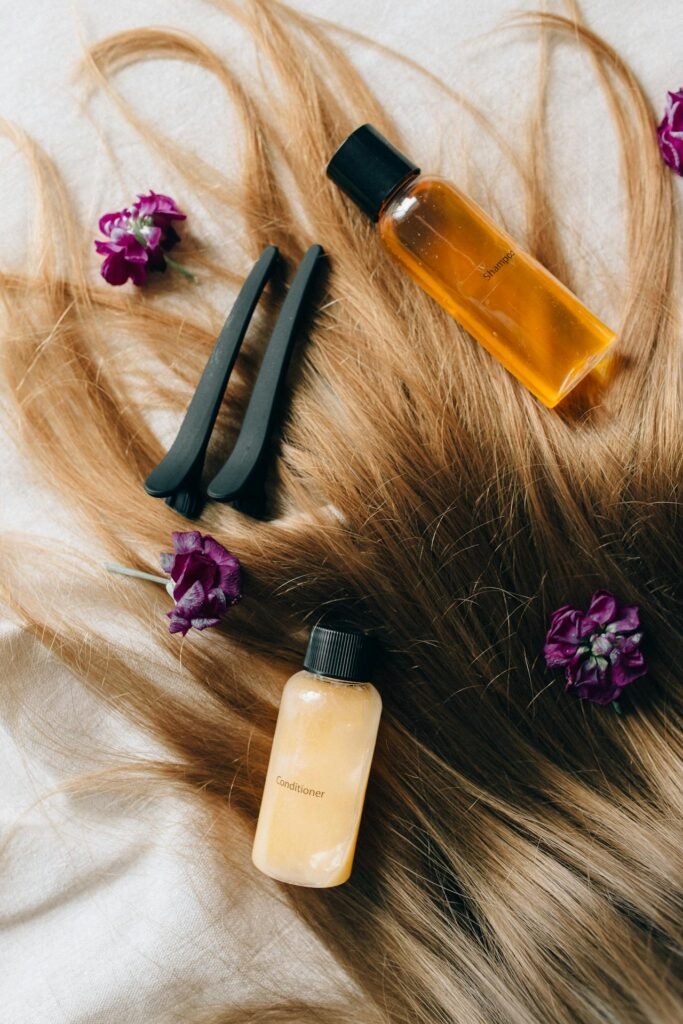
. Wash your hair regularly based on its type (2–3 times a week for normal hair, more often for oily hair) .
. Choose sulfate-free shampoos to cleanse hair gently .
. Never wash with hot water; lukewarm or cool water will help protect the cuticle.
2. Conditioning
. Condition each time after cleansing your hair to restore moisture and smooth the cuticle.
. You should use deep conditioners or hair masks every week.
. Regular use of leave-in conditioners can give you an extra level of protection.
3. Styling and Protecting
. Limit the use of heated tools (the straightener, the blow dryer).
. Use a heat protectant product whenever you style your hair.
. Avoid tight hairstyles (braids, ponytails) that can cause traction alopecia.
. Protect hair from the sun with scarves, hats, or UV-protect sprays.
4. Trimming
. It is a good idea to have regular trims every 6–8 weeks to prevent split ends.
5. Scalp Care
. Endeavor to give the scalp some massage for increased circulation.
. Utilize natural oils (coconut, argan, jojoba) for nourishment.
. Healthy scalp aren’t flaking; if your scalp is flaking and/or itchy consider using medicated shampoo with zinc pyrithione or ketoconazole.
Natural Remedies for Hair Health
. Aloe Vera – Calms scalp irritation and conditions hair.
. Coconut Oil –Penetrates hair shaft to decrease protein loss .
. Onion Juice – High in sulfur it may promote hair growth .
. Rosemary Oil – Increases circulation and strengthens hair .
. Green Tea –Rich in antioxidants, it helps maintain a healthy scalp.
Medical Treatments for Hair Problems.
If you have serious or long-standing hair problems, you may need medical treatment :
. Minoxidil (Rogaine) Over-the-counter topical product for regrowth of hair.
. Finasteride (Propecia) Prescription medication for male pattern baldness.
. Platelet-Rich Plasma (PRP) Therapy Uses blood plasma from the patient to stimulate hair follicles .
. Hair Transplant Surgery – Surgery for permanent treatment of advanced baldness .
Psychosocial Issues of Hair
The relationship of hair with self-esteem or confidence is strong. Hair loss or scalp disorders can lead to anxiety, depression, or withdrawn social situations. In many cultures, hair style has ties to identity, religion, and should be noted for one’s connectedness to society. Hair health can be prioritized for psychosocial as well as physiological reasons “
Routine Followed Daily
1. Morning Care
. Gentle Detangling
. Use a wide tooth comb or a soft bristle brush.
. Start from the ends of your strands while working your way up, to minimize any breakage.
2. Protective Styling
. Loose braids, braids, buns, or ponytails are great ways to protect from tangles.
. Avoid tight/afro-centric hairstyles that manipulate the scalp.
3. Scalp Stimulation
. Lightly massage your scalp to increase blood flow for 2-3 minutes.
. You may use a few drops of either rosemary or peppermint oil diluted in a carrier oil like coconut oil or olive oil for extra stimulation.
2. Cleansing (as needed)
. Oily Hair → Deep cleanse daily or every other day.
. Dry Hair → Deep cleanse 2-3 times weekly.
. If your hair is thick, the deep cleanse should only be performed once per week.
If your hair is medium-textured, a deep cleanse should occur 2-3 times weekly.
In all cases, use lukewarm water (hot water strips oils).
Additionally, a pro tip for your cleansing routine is performing a double cleanse; by doing a cleansing with an oil-based shampoo (to dissolve the natural sebum/product) and use a mild, hydrating product afterward.
3. Conditioning
. All hair types should use conditioner post-cleansing.
. You should apply conditioner from midway to the ends, avoiding scalp application.
. Rinse in cooler water to seal cuticles.
4. Leave-in Protection
. Use a leave-in conditioner or serum.
. If heat styling, make sure to use a heat protectant spray.
. UV-protection sprays would be great use for in the sun.
5. Night Care
. Wrap hair in a silk/satin scarf or use a silk pillowcase to reduce friction.
. If you are prone to ends drying out; apply some lightweight oil to ends (such as argan oil or jojoba oil).
Weekly Schedule
1. Deep Conditioning
. Once a week use either a hydrating or protein-based hair mask.
. For damaged hair use a keratin or protein mask.
. For dry hair, use a mask with avocado, shea butter or coconut.
2. Oil Treatment & Scalp Massage
. Use warmed coconut, olive, amla or castor oil.
. into the scalp for 10-15 minutes.
. You can leave it on overnight or wash it out after 1-2 hours.
The research: Oil acts as an extra protective coat for the cuticle and minimizes the protein loss that occurs when you wash your hair.
3. Clarifying Treatment
. Once every 7-10 days, use either a clarifying shampoo or natural rinse (dilute apple cider vinegar, diluted lemon juice, etc.) to remove buildup.
4 . Exfoliation
. Gently exfoliate the scalp using a scrub or DIY sugar/honey mixture.
. This is to help remove dead skin and help the overall health to the follicle.
Monthly / Occasional Schedule
1. Trim
. Every 6-8 weeks trim the ends to help reduce split ends.
2. Professional Treatments
. Keratin treatment for the frizzy hair.
. Hot oil treatment for shine and strength.
. Olaplex/up bond-building treatments for chemically treated hair.
3. Herbal/Natural Boosts
. Henna gloss for a natural shine and strengthening the hair.
. Fenugreek seed paste for stimulating hair growth .
. Aloe vera + coconut oil mask for soothing the scalp.
4. Detox and Reset
. Warm coconut, olive, amla or castor oil.
. Massaged into the scalp for 10–15 minutes.
. Can be left on overnight or washed out after 1–2 hours.
The research states that oil acts as an extra protective coat for the cuticle and helps minimize the protein loss that occurs while washing the hair.
Useful Tips for Various Hair Types
. Curly Hair: Use the LOC method (leave-in oil and cream) to help retain moisture .
. Oily Hair: Use shampoo only at the scalp and conditioner on the ends only .
. Dry or Frizzy Hair: Stay away from alcohol-based products, use butters and oils instead .
. Chemically Treated Hair: Use a protein mask and a bond reinforcing serum .
Healthy Lifestyle Habits for Hair
. Drink water (2-3 L daily) .
. Sleep 7-8 hours daily “
. Watch a yoga or meditation video that helps reduce stress.
. Eat protein-based foods (eggs, nuts, fish, legumes).
. Consider supplements if lacking (biotin, zinc, vitamin d, omega-3).
Frequently Asked Questions (FAQ)
How often do I need to wash my hair?
It depends on your hair type. Oily hair may need to be washed each day, and dry hair is sufficient to wash only every 2–3 days.
Can stress cause hair loss?
Yes. Stress can lead to disorders such as telogen effluvium when your hair goes into the shedding stage before its normal fall.
Is it normal to lose hair on a daily basis?
Yes. Losing 50–100 hairs per day is considered typical. If you suspect you are losing excessive amounts of hair, there may be another issue present.
Do hair supplements actually work?
Supplements will help you only if you have a nutritional deficiency. Otherwise, a well-balanced diet is enough.
Can you repair damaged hair?
Once hair emerges above the scalp, it is non-living tissue. While damage cannot be repaired, it can be avoided with proper care.
Conclusion
Hair health is an indication of general health. Good nutrition, proper hygiene, and being mindful of your styling habits, all contribute to beautiful hair which is healthy, stronger, and more resilient. You cannot change your genetics and you cannot control the aging process; however, you can embrace practices that prevent hair loss and seek medical treatment when needed for as long as possible.
