
Introduction
Stroke is one of the top causes of death and long-term disability around the world. The World Health Organization (WHO) estimates that each year, 15 million people in the world have a stroke, and nearly 5 million of them remain permanently disabled. Stroke can happen suddenly, but in many cases, the stroke is the culmination of years or decades of long-standing health issues, such as hypertension, diabetes, and poor lifestyle choices.
The good news is that 80% of strokes could be prevented with lifestyle changes, management of risk factors, and medical treatment. This article offers a complete, evidence-based and usable guide for stroke prevention, including biology of the underlying mechanisms, biological risk factors, prevention methods, and actionable steps to take.
Chapter 1: An Overview of Stroke

1.1 What is a Stroke?
A stroke is an event that occurs when blood flow to a part of the brain is either interrupted or reduced, which prevents brain tissue from receiving the necessary oxygen and nutrients that it requires to survive. Within minutes of oxygen deprivation, brain cells may begin to die.
There are two main types of stroke that are identified:
1. Ischemic Stroke (≈ 85%)
. This occurs when a blood vessel supplying blood to the brain is blocked.
. Often related to blood clots (thrombosis or embolism) or atherosclerosis.
2. Hemorrhagic Stroke (≈ 15%)
. This occurs when a blood vessel within the brain ruptures.
. Often associated with high blood pressure, aneurysms, and arteriovenous malformations.
There is also a related condition known as Transient Ischemic Attack (TIA), or “mini-stroke”: The symptoms of TIA resolve within 24 hours but are indicators of impending stroke.
1.2 The Biology of Stroke
. The brain utilizes 20% of the body’s oxygen and energy, while representing only 2% of body weight.
. When blood is not being delivered to the brain for more than a few minutes sooner ischemia occurs, resulting in the following:
. Death of Neurons
. Inflammation
. Free radical production
. Permanent impairment if not treated
An ischemic stroke is generally due to atherosclerosis (plaque buildup in arteries), while hemorrhagic strokes are related to fragile vasculature and/or hypertension.
1.3 Global Impact
. Stroke is the second leading cause of death in the world.
. Over 80% of deaths related to stroke occur in low- and middle-income countries.
. Attain survivors will usually experience hemiplegia (paralysis of one side of the body), speech impairment or loss, personality or memory loss, and/or depression.
For this reason, prevention is important for the public and public health systems.
Chapter 2: Stroke Risk Factors
The risk of stroke is a combination of modifiable and non-modifiable risk factors to consider.
2.1 Non-Modifiable Stroke Risk Factors
. Age: Risk doubles every decade after the age of 55.
. Gender: Males have a higher risk of stroke but females experience more debilitating strokes.
. Family History/Genetics: If a relative has had a stroke and/or cardiovascular disease, there is an increased risk of stroke.
. Ethnicity: African, Asian, and Hispanic populations have an increased risk of stroke based on genetic and lifestyle factors.
2.2 Modifiable Risk Factors
These are the principle causative factors of the majority of strokes that can be influenced:
1. Hypertension (High Blood Pressure) – This is the primary risk factor.
2. Diabetes Mellitus (DM) – This adds to the atherosclerosis and clotting.
3. Hyperlipidemia (High Cholesterol) – This contributes the development of plaques.
4. Cigarette Smoking – This adversely affects blood vessels with a tendency to have more clotting.
5. Obesity – This relates to metabolic syndrome and high blood pressure.
6. Physical Inactivity – This weakens cardiovascular health.
7. Excessive Alcohol – This raises blood pressure and risk of hemorrhage.
8. Unhealthy Diet – High sodium, sugar, and saturated fats.
9. Atrial Fibrillation (AFib) – This causes irregular heartbeat with the potential for clotting.
10. Chronic Stress – This raises blood pressure and inflammatory markers.
Chapter 3: Strategies for Preventative Treatment of Stroke
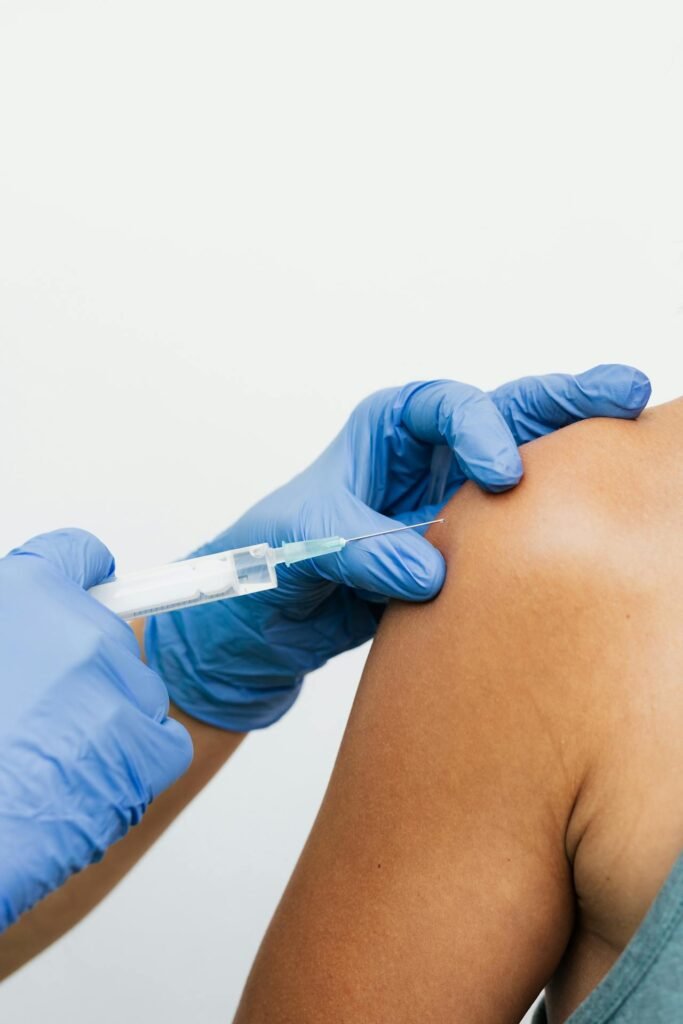
3.1 Modifications in Lifestyle
1. Blood Pressure Management
. Target blood pressure of <120/80 mmHg.
. Restrict sodium of <5 g a day.
. Increase potassium intake (bananas, spinach).
. Take antihypertensive medication as needed.
2. Heart-Healthy Diet
. DASH diet or Mediterranean diet is suggested:
. Consists of whole grains, fruits & vegetables, and legumes.
. Lean protein sources (fish, chicken).
. Healthy fats (olive oil, nuts) in moderation .
. Limit processed and red meat .
3. Regular Exercise
. Exercise >150 min/week in moderate-intensity (walking, cycling, swimming).
. Exercise improves cardiovascular fitness, lowers cholesterol, and regulates blood sugar levels.
4. Healthy Weight
. Central obesity (waist circumference >102 cm for males, >88 cm for females) increases risk.
5. Quit Smoking
. Risk significantly reduces within 2-5 years of quitting smoking.
. Nicotine replacement therapy, medication and/ or counseling to help.
6. Limited Alcohol
. Drink in moderation:
1 drink/day women
2 drink/day men
Stress Management
. Mindfulness, yoga, meditation and/or deep breathing.
. Maintain social connections and good sleep.
3.2 Medical Management and Preventive Care
1. Diabetes Management
. Keep HbA1c < 7%.
. Monitor blood sugars periodically.
. Consider medications such as metformin or insulin, as appropriate .
2. Cholesterol Management
. Keep LDL < 100 mg/dL.
. If appropriate, prescribe statins.
. Increase HDL through exercise and healthy fats.
3. Atrial Fibrillation Management
. Use blood thinners, such as warfarin or DOACs, to reduce stroke risk through clot prevention.
4. Routine Health Screenings
. Annual visits to exact blood pressure, cholesterol, and glucose.
. Carotid artery screening in high-risk patients .
3.3 Advanced Preventive Interventions
1. Carotid Endarterectomy or Stenting
. For patients with moderate to severe carotid artery stenosis.
2. Antiplatelet Therapy
. Aspirin or clopidogrel for high-risk stroke patients .
3. Preventing recurrent strokes
. Lifestyle and medications for secondary prevention .
Chapter 4: Special Populations
4.1 Women
. Pregnancy and oral contraceptives can increase risk.
. Motherhood and hormonal changes can increase risk.
4.2 Elderly
. More frequent attention.
. Consider fall prevention and mobility.
4.3 Children & Young Adults
. Usually rare, but possible from congenital heart disease, sickle cell anemia, or clotting disorders.
. Early development of a healthy lifestyle is crucial for long-term health .
Chapter 5: A Step-by-Step Stroke Prevention Plan

1. Know Your Numbers
. Blood pressure, cholesterol, glucose, BMI .
2. Build a Healthy Plate
. 50% non-starchy vegetables, 25% whole grain, 25% lean protein .
3. Move Daily
. A minimum of 30 minutes of activity.
4. Quit Smoking Today
. As needed, enlist professional assistance.
5. Limit Alcohol
. Track amount consumed and substitute with water/herbal teas, etc.
6. Sleep 7–8 Hours
. Poor sleep increases the risk of hypertension.
7. Inquire About Heart Problems
. A screening ECG can detect atrial fibrillation.
8. Routine Checkups
. Routine doctor visits every 6 – 12 months for prevention updates.
Chapter 6: Myths versus Facts
. MYTH: Only older people experience strokes.
FACT: Strokes can occur in young adults and even children.
. MYTH: If the symptoms go away, you’re fine.
FACT: TIAs are a warning sign that may indicate that a stroke may happen in the future.
. MYTH: Strokes cannot be prevented.
FACT: Up to 80% of all strokes are preventable, and making changes to your lifestyle can impact the risk.
Definition: A stroke
results from an abrupt failure of blood flow to the brain that leads to cell death in the brain.
Types:
. Ischemic stroke (blockage of artery – 85%).
. Hemorrhagic stroke (ruptured artery – 15%).
. Transient Ischemic Attack (TIA) – temporary warning sign.
Key point: Up to 80% of strokes are considered preventable.
Principal Risk Factors
A. Non-modifiable
Increased age (doubles after 55).
Sex (higher incidence in men, worse outcome in women).
Family history/genetics.
Ethnicity (higher rates in African, Asian, and Hispanic populations).
B. Modifiable
High blood pressure (most important modifiable risk factor).
Diabetes.
High cholesterol.
Smoking.
Obesity and lack of physical activity.
Poor diet (excessive salt and processed foods).
Excessive alcohol use.
Atrial fibrillation (irregular heartbeat).
Stress and poor sleep patterns .
Prevention Approaches
A. Lifestyle
Diet: Follow a healthy diet such as the Mediterranean or DASH diet; limit salt intake (<5 g/day, <2300 mg/day).
Exercise: Engage in moderate level activity for at least 150 min/week .
Weight management: Maintain body mass index (BMI) between 18.5-24.9 and avoid weight in the belly area .
If you smoke, quit: After quitting, the risk reduces by about 50% after 2-5 years.
Limit alcohol use: No more than one drink per day for women and two drinks per day for men.
Manage stress (adult or child): Consider meditation, deep breathing, or another source of social support.
Obtain sleep: Sleep 7-8 hours each night.
B. Medical Care
Get checked regularly (every 6-12 months). Pay attention to blood pressure, cholesterol, sugars.
Use antihypertensives if blood pressure is too high.
Use statin medications if cholesterol is too high.
Manage diabetes (keep A1c <7).
Use antiplatelet therapy (e.g. aspirin, clopidogrel) when indicated.
Use anticoagulation medications for atrial fibrillation (warfarin or DOACs).
C. Secondary Prevention (after stroke or TIA)
Maintain strict control of risk factors.
Continue antiplatelet/anticoagulant therapy long-term.
Pursue rehabilitation (e.g., physiotherapy, speech).
. Unique Considerations
Women: Higher risk associated with pregnancy, hormonal contraceptives, and menopause.
Elderly: Higher incidence of atrial fibrillation and arterial stiffening .
Youth/Children: Rare; mostly associated with genetic disorders or congenital heart problems.
. Public Health Initiatives
Awareness campaigns (the FAST test: Face drooping, Arm weakness, Speech problems, Time to call for help) .
National salt reduction initiatives.
Legislation/taxes to reduce tobacco use.
Free or reduced cost blood pressure testing in communities.
Establishment of stroke units in hospitals.
Tools for Practical Use
Daily Prevention Checklist
✅ Blood pressure controlled.
✅ 5 servings of fruits and/or vegetables.
✅ 30 minutes of exercise.
✅ No smoking.
✅ Alcohol only in moderation.
✅ 7-8 hours of sleep.
✅ 2-3 liters of water.
✅ Annual cholesterol and glucose measurement.
Signs of Stroke for Emergency Assistance (the FAST method)
F – Face drooping
A – Arm weakness
S – Speech difficulty
T – Time to call for help
Myths vs. Facts
❌ Strokes only occur in older people.
✅ Strokes can occur in young adults and children.
❌ If symptoms have disappeared, it is not a serious problem.
✅ Symptoms that disappear can be the most significant warning sign of a subsequent stroke.
❌ Aspirin is safe for anyone to take.
✅ Aspirin is only safe if it has been prescribed, and it does carry a risk of bleeding.
Questions and Answers
Q1: Does drinking coffee cause stroke?
Moderate coffee consumption (1-2 cups/day) may be protective against stroke due to antioxidants. However, excessive consumption can increase blood pressure due to increased stimulants
.Q2: What are the early warning signs of stroke?
Sudden weakness on one side of the body.
Trouble speaking or understanding someone else speaking.
Loss of vision in one eye.
Severe headache.
Q3: Can stress alone cause a stroke?
Chronic stress will indirectly increase the risk of stroke by increasing blood pressure and promoting unhealthy habits.
Q4: Is aspirin good for everyone?
No, aspirin therapy should always be taken under medical recommendation due to the risk of bleeding.
Q5: What food or foods help to prevent stroke?
Certain foods are particularly protective against stroke, including leafy greens, whole grains, fish high in omega-3, nuts, berries, and olive oil.
Conclusion
Preventing stroke is a personal commitment, but it is also a priority in public health. Controlling blood pressure, managing chronic health conditions, quitting tobacco use, eating healthier, and being more physically active means millions of strokes can be prevented.
