
Introduction
Air is a crucial resource for supporting life on the planet. All living things – humans, animals, and plants – require clean air to survive. While we can go weeks without food, or often only days without water, we cannot survive even one minute without air. Even though we are fully dependent on air, we generally are not cognizant of its importance until the quality declines. Air pollution – which is the present of toxic substances in the air we breathe – has become one of the leading global environmental hazards to public health, silently sickening the lives of billions of people every day.
The World Health Organization (WHO) suggests that 99% of the global population is breathing unsafe or polluted air, causing 7 million early deaths each year. Poor air quality impacts human health, but also impacts ecosystems, agriculture, and the global climate. This article aims to describe air quality, explain air pollution, identify health effects from air pollution, and propose solutions for air pollution – hence can quickly recall and reflect why clean air is critical for human health and sustainable development.
What does air quality mean?
Air quality is the degree to which the air around us is clean or polluted, measured by the amount of pollutants present in the air, and reported through the Air Quality Index (AQI).
• AQI 0-50 (Good): Air quality is clean for the most part, with little or no risk.
• AQI 51-100 (Moderate): Air quality is acceptable, however, there may be some pollutants that can affect sensitive groups.
• AQI 101-150 (Unhealthy for Sensitive Groups): Pollution can cause a risk for children, the elderly, and people with heart or lung disease.
• AQI 151-200 (Unhealthy): The general public may begin to experience health effects.
• AQI 201-300 (Very Unhealthy): Pollution will pose a signficant risk to public health.
• AQI 301-500 (Hazardous): Dangerous; this level can cause health detriment in a general population and health emergencies.
Measuring air quality allows governments, organizations, and individuals to know how much pollution is in the air, and to take proper precautions.

Key Contributors to Air Pollution:
There are both natural and anthropogenic (human-made) causes of air pollution.
- Outdoor Sources:
• Transportation: Cars, trucks, buses, and planes emit carbon monoxide, nitrogen dioxide, and fine particulate matter.
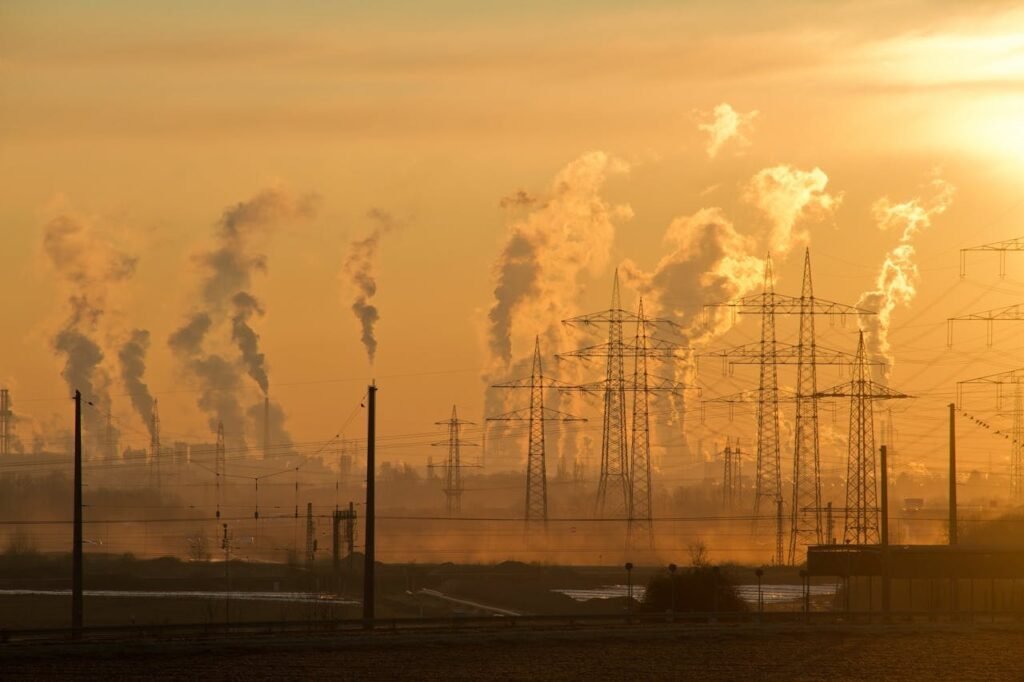
• Industry: Factories and power plants and refineries emit large volumes of sulfur dioxide, heavy metals, and greenhouse gases.
• Construction: Dust from building or road work can add to urban areas’ particulate matter.
• Agriculture: Fertilizers and pesticides, and burning crop residue, can all release toxic gases such as ammonia.
• Burning fossil fuels: The combustion of coal, oil, and gas for electricity as well as heating are significant contributors of air pollution. - Indoor Sources:
• Cooking and heating: Wood stoves, coal fires, and gas appliances produce smoke and carbon monoxide.
• Tobacco: A major contributor to indoor smoking.
• Cleaning products: Household products such as cleaning products, paints, and air fresheners, can release volatile organic compounds (VOC).
• Biological pollutants: Indoor air quality can also be negatively impacted by biologically based pollutants such as mold, dust mites, and dander.
Categories of Air Pollutants:
The types of substances classified as air pollutants are very diverse, but the most common and harmful types include:
- Particulate Matter (PM2.5 and PM10): reflective of very small-sized particles capable of penetrating deep within the lungs, and possibly entering into the bloodstream. PM2.5 poses serious risk due to the very small nature of the particulate.
- Nitrogen Dioxide (NO₂): released from motor vehicles and industrial emissions. It can cause respiratory irritations, and diminish immunity to respiratory infections.
- Sulfur Dioxide (SO₂): produced from burning either coal or oil fuels. Merely inhaling SO₂ can cause respiratory problems, and it contributes to the creation of acid rain conditions.
- Carbon monoxide (CO): an odorless, colorless gas generated by motor vehicle emissions, as well as poorly ventilated stoves. CO can be deadly in high concentrations.
- Ground-level Ozone (O₃): created when the sun exposes NO₂ and VOC pollutants to ultraviolet light. O₃ itself is not a pollutant, but contributes to photochemical smog and breathing difficulties.
- Volatile Organic Compounds (VOCs): emitted from many products such as fuel, paints, cleaning products, or just about any modern building material. VOCs cause headaches, nausea, and can have other long-term health effects.
Health Impacts of Poor Air Quality:
Air pollution is detrimental to nearly all organs in the body:
Short-term Effects on Health:
• Eye, nose, throat irritation
• Headaches, dizziness
• Coughing, difficulty breathing
• Aggravated asthma, allergies
Long-term Health Effects
• Respiratory diseases: Chronic bronchitis, asthma, lung cancer
• Cardiovascular diseases: Increased risk of stroke, heart attacks, and hypertension.
• Neurological effects: Exposure to pollutants can impair brain development (in children), or increase risk of dementia, in older adults.
• Pregnancy and child health: Air pollution is associated with preterm births, low birth weights, and other developmental disorders.
• Loss of life expectancy: For example, some studies have shown that long-term exposure to polluted air can decrease life expectancy by several years.
Air Quality and Climate Change:
Air quality and climate change are linked to each other. (During climate change):
• Pollutants such as carbon dioxide (CO₂), methane (CH₄), and nitrous oxide (N₂O) are greenhouse gases that absorb heat in the atmosphere, causing the Earth’s temperature to rise.
• Black carbon (soot), produced from cars and equipment or burning biomass (plant material), leads to more melting of glaciers and ice sheets.
• Climate change worsens air quality, by promoting wildfires, dust storms, and extreme heat waves that contribute to the pollution levels.
Thus, improving air quality can be a strong way to address climate change.
Global Environmental Health Problems Related to Air Quality:
- Urban Air Pollution: Cities including Delhi, Beijing, and Mexico City routinely face smog, which can make life unsafe.
- Deforestation and Wildfires: When forests are set on fire, they release a lot of carbon dioxide and particulate matter.
- Industrial Pollution: Countries with weak environmental laws have an even greater problem with industrial pollution.
- Plastic Pollution: Burning plastic waste generates toxic chemicals that are released into the air.
- Indoor Air Quality in low-income and middle-income countries: Many rely on biomass fuels (wood, charcoal, dung) to boil and fry, and the resulting smoke is estimated to kill approximately 4 million people a year inside their bedrooms and living rooms.

The Economic Toll of Bad Air Quality:
Poor air quality is not only a health crisis, but it is also an economic crisis:
• The demand for healthcare rises due to individuals needing hospital care or treatment.
• Businesses are impacted with lost productivity because of sick workers.
• And ozone pollution damages crops, which can lower agricultural or firm output.
• Tourism is affected especially in cities with smog that leads to the outdoor enjoyment of popular sites being affected.
The World Bank estimates that the cost of air pollution is over $5 trillion globally each year.
Solutions for Improved Air Quality:
Government/Policy Level
• Implement vehicle and industry emission regulations
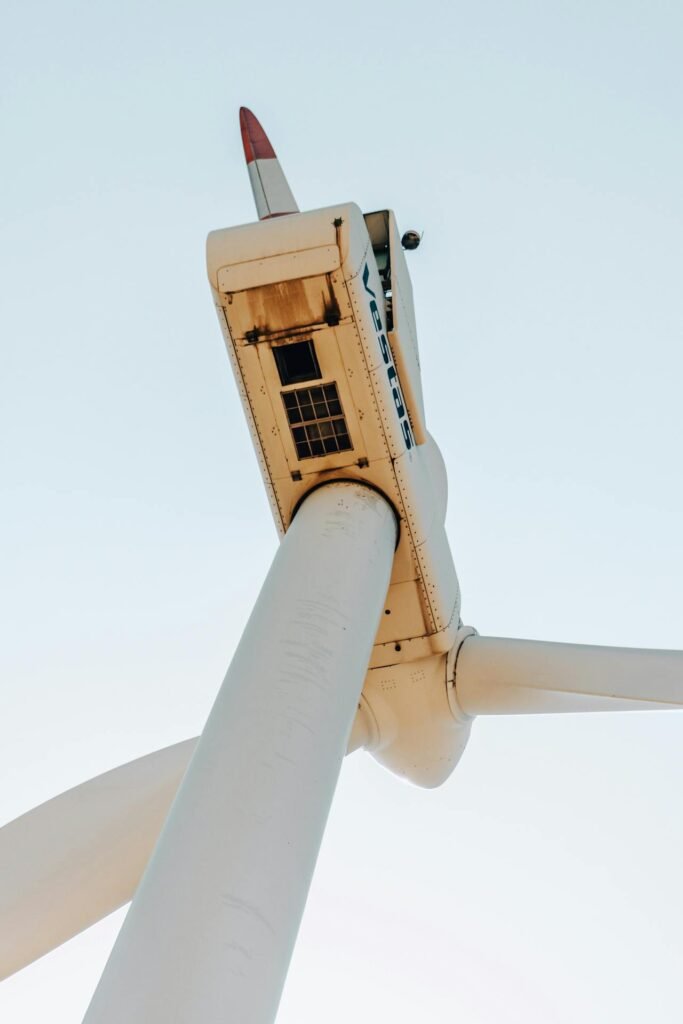
• Invest in alternative energy (solar, wind, hydro)
• Expand public transportation in cities
• Encourage green urban development and reforestation
• Prohibit open burning of waste
Community/Society Level
• Encourage bicycling and walking in cities
• Develop recycling and waste management programs
• Inform citizens about the negative effects of pollution
• Track air quality and share it with the public
Individual Level
• Minimize car usage by using public transportation or carpooling
• Reduce energy used by turning off items you aren’t using
• Avoid smoking and designate smoke-free areas
• Obtain better indoor air quality with ventilation and plants
• Use environmentally-friendly products with fewer chemicals
Technology and Innovation in Approaches to Poor Air Quality:
• Air purifiers and filters create a better indoor air quality
• Electric vehicles (EVs) create fewer emissions in the cities
• Smart sensors and apps help people track AQI (Air Quality Index)
• Carbon capture technology is in the process of being developed
• Green buildings can promote ventilation and energy consumption.
Future Outlook:
The future of air quality is based upon our action today. It is likely that we will witness a range of new challenges as urbanization and industrial development continue. But the potential for cleaner air also exists through the escalation of clean energy, innovation in transportation, and awareness of protecting the environment. Global cooperation will be a crucial part of the equation, given that air pollution does not recognize borders.
If countries collectively recommit to sustainable development goals (SDGs), especially Goal 3 (Good Health) and Goal 13 (Climate Action), the path to the future of cleaner air and a healthier planet is feasible.
Conclusion:
Air quality is more than an environmental issue; it is a public health emergency and global development challenge. Consequently, each time we breathe — we sustain the planet and humanity – this should not be a health threat. Clean air supports human health, enhances poverty alleviation and productivity, contributes to reversing climate change impacts, and ultimately ensures the well-being of future generations.
Everyone has a role to play in protecting the air we breathe, from a national government to each constituent, from local communities to individuals at the local level. The solutions can come easily and readily – establishing renewable energy, building sustainable lifestyles, and increasing awareness of the issue.
Clean air is a human right; and protecting that right is one of the biggest investments we can make as humanity and as a planet.
