
Table of Contents
Introduction
Daily life encompasses the everyday activities, habits, and routines in the human experience. It is the rush of our mornings, the movement of our afternoons, and the lazy or frenetic pace of our nights. In a checklist format, it begins when we hop out of bed to perform the most mundane of tasks like tooth brushing, and it ends when we finally slink into bed after preparing the last meal of the day: Sleep for the early-to-bed and early-to-rise folks, and nostalgia for the night owls. In other words, daily life is the outline of the person we are, how we engage with the people around us, and how we use the time around work, play, and silence. Daily life routines can seem monotonous on surface level, but daily life is perpetuated by rich cultural traditions, great historical transformations, and transformative and challenging modern realities.
While daily life is a familiar human experience, it is also universal and diverse. People everywhere eat, work, rest, and socialize, yet these activities can and do take on varying practices in different societies, shaped by geography, religious beliefs, cultural practices, and technology. To illustrate these issues related to daily life, this article will examine daily life through various lenses: historical changes, cultural diversity and change, modern challenges, and the realities of balance and well-being.
A Chronology of Daily Life
1. Daily Life in Antiquity
Daily life in antiquity was governed by survival needs. Life revolved around the sun: getting up, planting, harvesting, looking after animals, and finding food. Homes were plain, meals were fresh and seasonal, and entertainment was based on community, music and storytelling.
For example, ancient Egyptians lived along the Nile River and agriculture was the basis for daily life. Families lived in mud-brick houses, children played with homemade toys, working-class families ate bread, beer, fish, vegetables.
In ancient Rome the routines of daily life depended on class. The wealthy took time at banquets and public baths, while citizens worked in trades, markets and on farms.
2. Daily Life in the Medieval Period
Daily life in the medieval period was highly structured by feudal system (dominant institution) and religion (the church was probably the only source of education and entertainment). A peasant would work on the land owned by a lord (noble) and would rise before sunrise to tend to crops and livestock. Daily life was physically demanding of peasant in the Middle Ages with limited time for leisure. When peasants had special occasions to mark (ceremonial occasions) they had rituals, festivals, and church.
Life for the nobility was much more extravagant and involved the luxury of hunting, feasting and leisure activities involving music or tournaments. Castles and manor houses acted as the focus of political and cultural life.
3. Daily Life in the Industrial Period
The Industrial Revolution (18th-19th centuries) had a profound impact on daily life. Many people moved from rural areas to cities to work in factories as skilled farmers and traditional farm roles disappeared. Days became longer and many individuals worked up to 12 to 16 hours, and like today, the very nature of work and who performed it also changed. The industrial period also introduced large scale routines such as commuting, the permanence of a clock on a wall, and new systems of public education.
While daily life was harsh for many people during the industrial era serious changes occurred which set the stage for daily life as we know it, including urban living, disposable consumer products, and new gender roles for men, women and children.
Modern Daily Life
Daily life in modern times is structured and made more complex through technology, globalisation, and changes in cultural norms. While daily routines and rituals may sometimes look different depending on the region, the human experience offers some similarities.
1. Morning rituals
The morning sets the precedent for the day. For many people, the morning starts early, followed by showering, making breakfast and then commuting to their work or school. In some cultural traditions morning rituals may involve prayer or other forms of meditation and exercise. This is also true in Japan where many schools and industrial organizations also include morning exercises called Rajio Taiso.
2. Work and Education
Work comprises a substantial proportion of everyday life. In many societies, adults work at an office, factory, or field for many hours, while children and young adults spend time at school. Technology has changed work; now jobs can be remote, and both work and education can be undertaken using different modes of technology, which has also been able to adopt varying amounts of flexibility and work flexibility. Education has also become more global and, with the advent of online education, it has altered the traditional form of schooling.
3. Meals and Food
Eating is an element of everyday life common to all cultures, but the methods of eating can be very different from one culture to the next. Meals may sit down events (Italy), complete with multiple courses, or meal relevant to balance, health, and aesthetics (Japan). In many African societies meals are communal emphasizing collective identity and sharing. Life as we know it today, has now in part become characterized by the ways in which eating has been positively and negatively influenced by modern forms of meal purchases and consumption such as fast food potions, food delivery apps, prepackaged and processed snack items, etc.
4. Leisure and Entertainment
Leisure is valued aspect of daily life, allowing individuals to rest and recharge. Some options for leisure include: screen time to include television series or films, video games, sports, reading, or spending time outdoors in nature.
Technologies shape leisure: social media, streaming services, apps are all increasingly becoming prevalent ways to spend free time, as are other forms and uses of technology. The importance of leisure activities obviously does not exclude concerns relating to screen and computer and technology addiction, and the amount of time individuals spend engaging in physical activit
5. Evening and Night Routines
Evenings usually include family time, social time, or exercise time. For some people, this means cooking dinner and chatting around the table, while for others, it may involve late-night work and attending classes, or just winding down with movies or games. We often forget about sleep, which is an even bigger part of daily life and a vital component of physical and mental health.
Culture Change in Daily Life
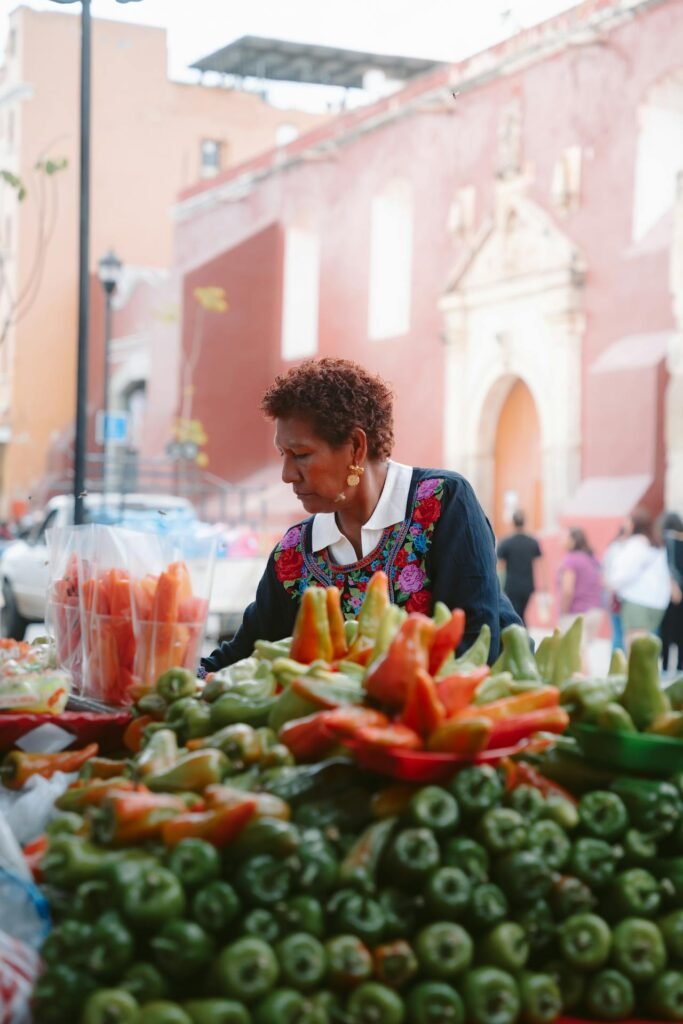
Religion and culture shape our daily lives in different ways, and even quite differently in daily life, which means there’s a diversity of routines:
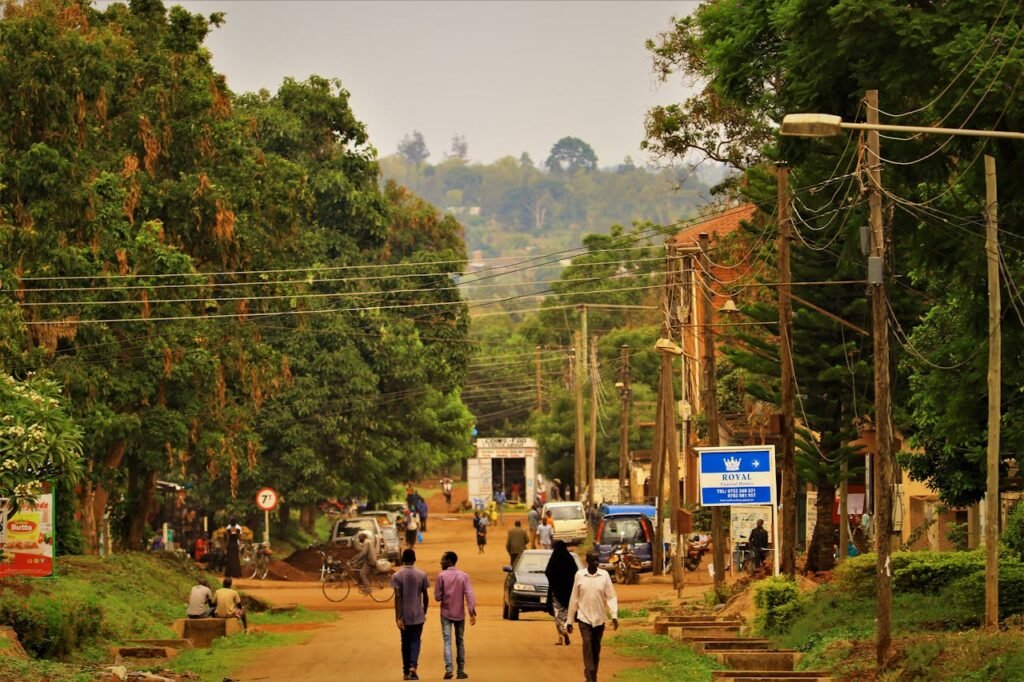
> In rural Africa, daily life generally revolves around farming, livestock, and living in a communal culture, which includes sharing the work and is a highly social way of life;
> In Japan, punctuality, discipline, and harmony with one’s group are essential aspects of daily life in work and school, and eating meals with fresh, seasonal foods is customary;
> In Western societies, individualism may shape daily life more consciously than in others. Therefore, people devote more time and energy to their own time schedules, professional and career objectives, and filling their free time with hobbies;
> In Middle Eastern societies, daily life rhythms are more influenced by prayer times and temple rituals, with social gatherings being another important part of people’s evening rituals;
Not only do these differences point to how culture allows for different meanings of “ordinary” life, they are also the same part of routine that also provide meanings of heritage and what beliefs are important.
Technology and Everyday Life
Technology has profoundly changed how we live our everyday lives, with both interesting positives and negatives.
> Communication: Smartphones and social media facilitate communication with people located on different continents in real time.
> Work: Technology has allowed for remote work, and while remote work and flexible work hours have benefits, they also allow for work to intrude into personal time.
> Health: Health and wellness apps, online appointments, and physical or wearable technologies all improve individual health.
> Negatives: Technology is so embedded in modern life that we have come to rely more heavily on technology, at the expense of face to face human interactions, sleep, and higher levels of stress.
Everyday Life and Health
Finding balance with everyday activities is integral to healthy living. There are several necessary aspects of health including:
1. Work-life Balance – Set boundaries to curtail overworking.
2. Healthy eating – Eating well rather than processed foods.
3. Exercise – Get in exercise into daily activities.
4. Social connection – Keep in contact with family and friends.
5. Mindfulness – Reduce stress through meditation or self-reflection.
When everyday life is balanced, we can achieve happiness and harmony.
The Problems of Daily Life Today
Modernity brings problems though we have improved technology.
> Long Hours & Connectivity – Stress and burnout are the candidates human beings face because they work long hours and live in an era with never-ending connectivity which ultimately depletes us.
> Time – Time is a cultural resource that most individuals do not have enough of, to balance their work, family and personal life.
> Cultural Appropriation – Globalization engenders a loss of tradition and encroachment on customary ways of life.
> Non-Health Problems – In particular, sedentary behavior, unhealthy food, physical inactivity all contribute to chronic diseases.
To alleviate the modern-day problems of daily life prompts consciousness about what actions individuals will take, government level supports, and the societal context (preservation culture) that people find themselves in.
Conclusion
It is simple enough to agree that daily life is part of more than routine; it is the narrative of the human civilization. From agrarian communities to a digital world, daily life entails what we perceive as values, harbour with tensions and ultimately the achievements we make (or do not make). It is simply the mundane, but it is extraordinary because it is integrative of health, happiness and our identity.
