
Introduction
The kidneys are remarkable organs, which are sometimes called the body’s “natural filters”. They regulate fluid balance, filter away waste products from the blood, maintain electrolyte levels in the body and are important in blood pressure regulation, the production of red blood cells, and bone health. Despite the kidney’s importance, there continues to be a growing public health challenge with diseases of the kidney. The World Health Organization (WHO) has estimated that 850 million people globally are impacted by a disease of the kidney and millions die annually as a result of the lack of access to appropriate treatment. Chronic Kidney Disease (CKD), in particular, is concerning because it is silent and can take years to progress to an advanced stage, when patients will typically need dialysis or kidney transplantation .
The good news is that many of the diseases of the kidney are preventable and can be achieved through lifestyle measures, early diagnosis and management of existing health conditions. This article provides a comprehensive summary of kidney health, causes of kidney disease, risk factors and prevention, using scientific-based strategies .
The Function of the Kidneys in Human Health
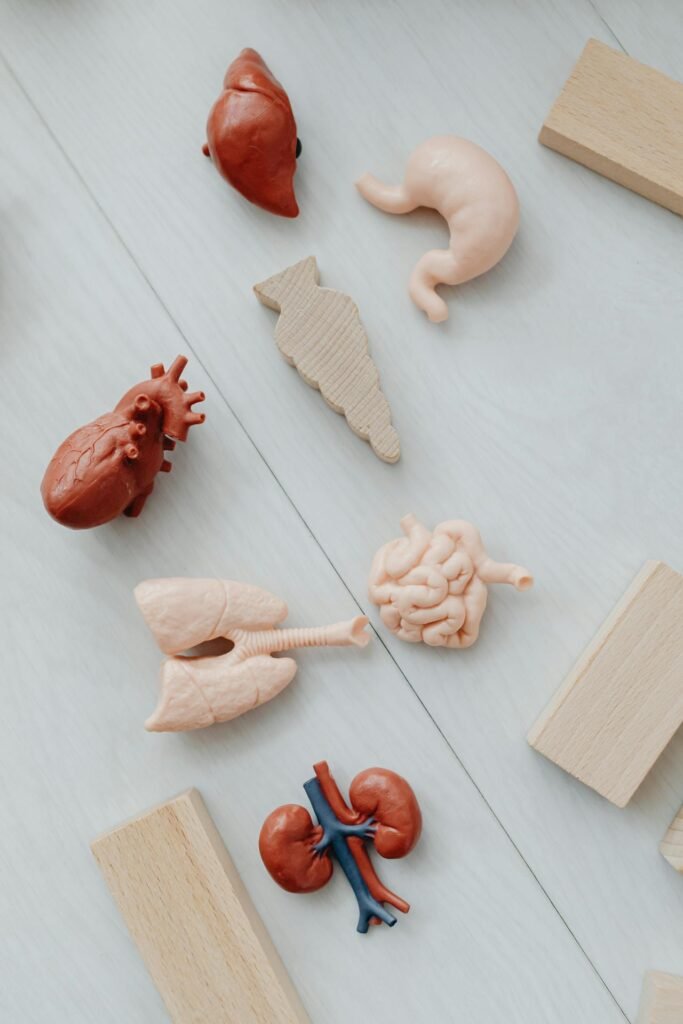
Before information about any way to prevent kidney diseases, we must first investigate their functions:
1. Filtration of blood – The kidneys filter approximately 50 gallons of blood per day, removing toxins and waste.
2. Regulation of fluids and electrolytes – They are responsible for balancing sodium, potassium, calcium, and phosphorus.
3. Blood pressure regulation – They keep track of water retention and release hormones influencing vascular health.
4. Hormone production – The kidneys release erythropoietin which stimulates the production of red blood cells and calcitriol, the active form of vitamin D.
5. Acid base balance – The kidneys regulate blood pH, to assure metabolic processes occur best.
Due to these important functions, damage to the kidneys will affect almost every other system of the body.
Kidney Disease Overview
1. Chronic kidney disease (CKD)
CKD is a progressive, permanent decline in kidney function for greater than 3 months. There are five stages of CKD, with stage 5 (end-stage renal disease) requiring dialysis or kidney transplantation.
Common causes of CKD:
. Diabetes mellitus (the leading cause worldwide).
. Hypertension
. Glomerulonephritis (inflammation of the filters in the kidney)
. Polycystic kidney disease (hereditary)
. Long-term use of nephrotoxic agents
2. Acute Kidney Injury (AKI)
AKI is defined here as a sudden decline in kidney function, most commonly due to dehydration, sepsis, major surgery, or drug toxicity. If treated promptly, AKI can often be reversed. This is different from CKD, which is more commonly irreversible.
3. Kidney Stones
Kidney stones occur when calcium, oxalate, or uric acid crystals build up in the urinary tract, which can be extremely painful. They can also block the ureter(s) and cause damage to the kidney(s), especially if not treated.
4. Urinary Tract Infections (UTIs)
Frequent or untreated UTIs can lead to ongoing kidney damage (pyelonephritis) by causing scarring of the kidneys and chronic dysfunction.
5. Polycystic Kidney Disease (PKD)
PKD is a hereditary disease in which cysts form in the kidneys and progressively impair kidney function.
Kidney Disease Risk Factors
Understanding the risk factors is essential to developing targeted measures for kidney disease prevention.
1. Medical Risks
. Diabetes
. Hypertension (high blood pressure)
. Cardiovascular disease
. Obesity
. High cholesterol
. Autoimmune diseases including lupus or others
2. Lifestyle Risks
. High salt diet
. High protein supplementation without medical need
. Smoking or alcohol abuse
. Physical inactivity
. Poor hydration
3. Genetics and Demographic Risks
. Family history of kidney disease
. Older age
. Certain ethnicities (i.e. African or South Asian) have a higher prevalence”
Methods for Preventing Kidney Disease

1. Adhere to a Healthy Diet
Nutrition is essential for maintaining kidney health.
. Decreased Salt Intake: High sodium causes kidney stress and results in fluid retention and hypertension. The World Health Organization suggests eating less than 5 grams of salt per day .
. Eat plenty of fruits and vegetables: contain antioxidants, fiber, and potassium (in moderation for those potentially at risk).
. Moderate Your Protein Intake: While protein is essential for health, excessive amounts are harmful when the body cannot excrete proteins efficiently. Those at risk should avoid excessive amounts of protein – particularly red meat. Plant-based proteins (beans, lentils) do not create stress for the kidneys.
. Limit Processed Food Items: Avoid the salt or phosphorous in fast food, packaged snacks, or packaged meats with un healthy fats.
Hydration: Drinking 1.5 – 2 L of water daily enables you to prevent dehydration, flush out cells, and reduce kidney stones .
2. Manage Blood Pressure and Diabetes
. Blood Pressure Management: Take your blood pressure each day and keep it below 130/80 mmHg. Decrease your salt intake; exercise, and take your medications as directed.
. Diabetes management: Keep HbA1c <7%. It may also require your lifestyle plus medicines (metformin or insulin).
3. Sustain a Healthy Weight:
Monitoring: Ask for an annual evaluation of kidney function if at risk.Obesity contributes to diabetes and hypertension, creating more strain on the kidney. Regular physical activity (150 minutes of moderate physical activity weekly) can assist you control your weight and cardiovascular health
4. Avoid Smoking and Excessive Alcohol
. Smoking causes reduced blood flow to the kidneys, which can worsen hypertension.
. Excessive alcohol consumption causes dehydration, resulting in high blood pressure and liver and kidney issues.
5. Use Medications Responsibly
. Do not use non-steroidal anti-inflammatory drugs (NSAIDs), such as ibuprofen and naproxen, in the long term without medical necessity. These medications can be nephrotoxic.
. Before taking any herbal supplements, be sure to speak to a physician since some herbal supplements may be harmful to the kidneys.
6. Prevent and Treat Infections in a Timely Fashion
. Practicing good hygiene can help prevent urinary tract infections .
. Seek medical attention if you have persistent urinary tract infections.
7. Regular Screening and Early Detection
It’s important for people with risk factors (diabetes, hypertension, family history) to have routine screenings :
. Blood tests (serum creatinine, estimated glomerular filtration GFR
. Urine tests proteinuria, albumin-to-creatinine ratio
. Imaging studies (ultrasound for kidney stones or cysts)
The Importance of Lifestyle in Health
Exercise and Being Active
Regular exercise helps lower blood pressure, helps manage weight, and improves insulin sensitivity. As a general rule, people should try to perform activities such as, walking briskly, cycling, yoga, or swimming.
Handling Stress
Chronic stress increases blood pressure and inflammatory markers that can cause kidney damage indirectly. Meditation, deep breathing, and mindfulness are some examples of how to cope with stress.
Sleep Hygiene
Poor sleep is linked to obesity, diabetes and hypertensive all factors that can be harmful to the kidneys. Most adults require 7-9 hours per night of good quality sleep”
Advancements in Kidney Disease Prevention

1. Identifying biomarkers for early detection – Research is currently focused on establishing urinary and blood biomarkers that identify kidney disease prior to the emergence of symptoms.
2. Artificial Intelligence for diagnostics – AI algorithms can assist in predicting the progression of chronic kidney disease (CKD) and allow intervention before CKD advances.
3. Regenerative medicine – Stem cell therapy and tissue engineering will be a major consideration for therapy in the future.
4. Public awareness campaigns – Public campaigns designed to bring awareness to communities, such as World Kidney Day, can foster the development of a healthy lifestyle.
Community and global initiatives
. Public Awareness: Initiatives to educate populations about kidney health.
. Policy Initiatives: Initiatives to legislate reductions of salt in processed foods and promote healthy diets.
. Access to Health Care: To provide affordable screening and treatment to identify CKD early.
. Education in Schools: To teach children about hydration, healthy eating, and exercise.
Biochemical Regulation
. Renin-Angiotensin-Aldosterone System (RAAS):
. The kidneys release renin, setting in motion a series of events that will produce angiotensin II, a potent vasoconstrictor that increases blood pressure and stimulates aldosterone secretion.
. Aldosterone promotes sodium and water reabsorption.
. Chronic and excessive stimulation (for example, in hypertensive patients) leads to glomerular hypertension and damage to nephrons.
Erythropoietin (EPO):
. EPO is secreted by peritubular fibroblasts in response to low oxygen.
. EPO stimulates the bone marrow to produce red blood cells.
. In chronic kidney disease (CKD), the reduced production of EPO causes anemia in chronic disease.
Vitamin D Metabolism:
. The kidneys convert 25-hydroxyvitamin D into calcitriol (also known as 1,25-dihydroxyvitamin D3)”
. Calcitriol is important for calcium absorption, bone health, and parathyroid function.
. In CKD, impaired activation leads to renal osteodystrophy.
Pathophysiology of Kidney Diseases
1. Diabetic Nephropathy (DN)
. Process: Chronic hyperglycemia → advanced glycation end products (AGEs) → oxidative stress → thickening of glomerular basement membrane → mesangial expansion → proteinuria.
. Clinical marker: Albuminuria (>30 mg/day)”
. Preventative strategy: Tight glycemic control (HbA1c < 7%), SGLT2 inhibitors, ACE inhibitors/ARBs.
2. Hypertensive Nephrosclerosis
. Process: Chronic high blood pressure → arterial thickening → decreased renal perfusion → ischemic nephron loss.
. Morphology: Sclerosis of small artery, global glomerulosclerosis.
. Preventative strategy: Blood pressure control (<130/80 mmHg), DASH diet, antihypertensive therapy.
3. Acute Kidney Injury (AKI)
Mechanism:
. Prerenal AKI: Decreased perfusion (shock, dehydration).
. Intrinsic AKI: Direct injury to nephron (toxins, ischemia, acute tubular necrosis).
. Postrenal AKI: Obstruction (stones, tumors).
. Preventative strategy: Avoid nephrotoxic drugs, hydration, and renal function monitoring perioperatively.
4. Oxidative Stress and Inflammation
. Chronic oxidative stress causes mitochondrial dysfunction in renal tubular cells.
. Inflammatory cytokines (interleukin-6, TNF-α) positively facilitate fibrosis and progression of chronic kidney disease (CKD).
. Preventative antioxidants include but are not limited to Vitamin C, Vitamin E, and polyphenols (from green tea, berries).
Evidence-Based Approaches to Prevention
Hydration and Kidney Health
. Sufficient hydration helps to dilute urinary solutes like uric acid and calcium that contribute to stone risk.
. Biochemical rationale: Increasing volume to dilute treated urinary solutes reduces the likelihood of urine supersaturation and crystallization.
. Note of caution! Excessive hydration (>5L/day) may induce hyponatremia.
Sodium Restriction
. Sodium increases intraglomerular pressure and proteinuria.
. Reduced sodium intake correlates to slowed progression in both meta-analyses and non-randomized trials.
Protein Consumption
. Excessive protein intake (>1.2 g/day) contributes to glomerular hyperfiltration and accelerated nephron injury.
. Moderate protein intake (0.8g/kg/day) is appropriate for preventing CKD.
. Plant-based proteins impose less metabolic acid load compared to meat proteins, decreasing kidney workload.
Sodium-Glucose Cotransporter-2 Inhibitors
. Sodium-glucose cotransporter-2 inhibitors (e.g., dapagliflozin, empagliflozin) decreases glucose reabsorption in the proximal tubule.
. Clinical trials (CREDENCE, DAPA-CKD) reveal slow CKD progression rates in patients, including those without diabetes.
Gut-Kidney Axis
. Overall, there is emerging science linking gut microbiota to management of renal health & disease.
. Dysbiosis can lead to excess production of uremic toxins (indoxyl sulfate, p-cresyl sulfate) that can also accelerate CKD.
. Probiotics and prebiotics may lessen uremic toxin production and improve renal outcomes”
Molecular Mechanisms in Kidney Protection
1. AMPK Activation – It improves mitochondrial function and decreases oxidative damage. Both exercise and metformin activate AMPK.
2. Nrf2 Pathway – It governs the expression of genes that mediate antioxidant defense . Curcumin and sulforaphane activate Nrf2 and may have a protective role in CKD.
3. Fibrosis Blocking – Fibrosis is driven by TGF-β signaling, and researchers are studying inhibitors as anti-CKD therapies”
Case Report and Epidemiology
. Japan: Low prevalence of kidney stones likely from high fluid intake from soups and teas.
. United States: CKD prevalence is around 15% among adults, primarily attributed to obesity and diabetes-related causes.
. Africa: The low availability of dialysis highlights the importance of primary prevention”
Quick 10-step checklist (most important actions)
Get screened if you’re at risk (blood pressure, diabetes, family history). KDIGO +1
Keep blood pressure under good control (work with your clinician on targets). KDIGO +1
Control blood sugar if you have diabetes (aim for clinician-recommended HbA1c). National Kidney Foundation +1
Limit sodium to ~<2,000 mg/day (≈5 g salt). World Health Organization +1 Stay well hydrated (especially if you have stones: aim urine output ~2.5 L/day). PMC +1 Avoid frequent or unmonitored NSAID use (ibuprofen, naproxen) — talk to your clinician about safer pain options. PMC +1 Focus on whole, plant-forward foods, and moderate protein (0.8 g/kg unless otherwise instructed). National Kidney Foundation +1 Keep a healthy weight and exercise regularly (>150 min moderate/week). National Kidney Foundation
Take medications per your clinician’s advice (ACEi/ARB, SGLT2 inhibitors) when appropriate — these medications can be protective for the kidneys in patients at high risk. New England Journal of Medicine +1
Get the vaccinations to stay healthy, treat infections (UTIs) quickly, seek treatment for reduced urine or swelling”
Daily Routine (specific, simple)
1. Morning
Measure blood pressure at home if you have hypertension (same arm, sitting). Document this for your clinician.
KDIGO
Drink a full glass of water (start the day hydrated). If you are a stone former, spread fluid intake to achieve a daily urine output target (see hydration).
PMC
+1
2. Meals
Eat a plant-forward plate when eating: vegetables + whole grains + moderate lean protein (fish/poultry/legumes). Avoid processed and packaged snack foods (high in sodium/phosphates).
National Kidney Foundation
+1
Keep your daily sodium under ~2,000 mg sodium (≈5 g salt). Avoid adding extra salt and read the labels.
World Health Organization
3. Medications / Pain
Take blood pressure/diabetes medication as prescribed.
If experiencing pain, avoid using routine oral NSAIDs if you are at risk for kidney disease—suggest alternatives (NSAIDs used topically, acetaminophen, physical therapy), and check in with your clinician/pharmacist.
PMC
+1
4. Activity & Sleep
Move your body every day — 30 minutes of brisk walking or the equivalent. Sleep for 7–9 hours if possible; poor sleep increases metabolic risk.
National Kidney Foundation”
Weekly Checklist
Review your blood pressure log and blood sugar pattern (if diabetic); communicate concerning trends with your clinician. KDIGO
Walk or do some other moderate aerobic activity for at least 150 minutes in the past week; plus do two sessions of resistance exercise. National Kidney Foundation
Make one or more low-sodium, plant centered meals (beans or lentils, whole grains, and vegetables). National Kidney Foundation
Monthly / every few months
If diabetic: follow your clinician’s schedule for checking blood glucose control (HbA1c, per guideline). National Kidney Foundation
Reassess your medication list with your pharmacist (prescription, over the counter and herbal – many over the counter and herbal medications are potential threats to the kidney). National Kidney Foundation
Annual (or as recommended by your clinician)
Tests: Measure serum creatinine, provide eGFR, urine albumin-to-creatinine ratio (ACR), and electrolytes – more often if you have diabetes, hypertension, or are at risk for Chronic Kidney Disease (CKD). KDIGO
+1
Review medications and update vaccinations (influenza, pneumococcal as recommended). KDIGO
Hydration & Kidney Stones – Practical Numbers
For individuals without kidney stones – drink fluids to satiety to keep urine pale.
For individuals with previous stones and/or low urine volume – aim for output of urine ~2.5 – 3.0 L/day (this usually requires at least ~3 L, depending on sweat/climate). Separate fluids through the day, and if overnight urine is low, drink a glass before bedtime. PMC
+1
Food & nutrient guidelines (basic)
Sodium: Aim to consume less than 2000 mg/day (~5 g of salt). Read food labels and lean towards fresh food.
World Health Organization
Protein: Moderate protein intake— in general, adult recommendation is ~0.8 g/kg of body weight/day unless your clinician advises differently. If you have CKD, work with a kidney dietitian.
PMC
Calcium and oxalate: Don’t completely avoid dietary calcium (as calcium binds oxalate in the gut)— Only reduce high oxalate foods if directed to do so by a clinician.
PMC
Plant-forward dietary patterns: Mediterranean or DASH eating patterns lower blood pressure and improve kidney health.
National Kidney Foundation
Medication and clinical prevention (when to discuss with doctor)
ACE inhibitors/ARBs are frequently used for proteinuria reduction and kidney protection when used in the context of hypertension and diabetes— discuss if applicable.
KDIGO
SGLT2 inhibitors (i.e., dapagliflozin / empagliflozin) have demonstrated slowing of CKD progression in clinical trials (ask your kidney clinician or diabetes clinician if you are eligible for this medication).
New England Journal of Medicine
+1
Avoid chronic/unmonitored NSAIDs— contact your clinician for safe pain management options if you are prone to nephrotoxicity.
PMC
+1
High risk groups — quick notes
Diabetes: More strict monitoring (urine albumin, eGFR), achieving tight glycemic control lessens risk of nephropathy.
National Kidney Foundation
+1
Hypertension: home BP monitoring, reduction of dietary salt intake, and use of anti-hypertensive therapy prevents nephrosclerosis.
KDIGO
+1
Aging: Older adults are at heightened risk from drug effects “
When to seek urgent medical help for red flags:
Sudden decrease or no urine output.
KDIGO
New, abnormal, persistent swelling (face, legs), sudden breathing issues.
KDIGO
High fever and flank pain (possible kidney infection or new obstructing stone).
PMC
Very high blood pressure (≥180/120) or significant headache or chest pain.
KDIGO
Easy, practical tips:
Easy to use a simple app on your phone or on a paper checklist for BP, daily water, and medications.
Freeze vegetable mixes/packages in single portions for fast, low-salt cooking.
Replace salty convenience snack food with nuts (unsalted), fruit or yogurt.
Have a water bottle on hand or set a reminder that says, “sip a small amount every 20-30 minutes” if your need to hit .
PMC +1
Final short summary, in closing:
Prevention is a combination of early detection (screening), managing underlying risk factors (blood pressure, diabetes), day-to-day considerations (low salt, moderate protein plant-forward diet, exercise, hydration), safe medication use (not taking NSAIDs frequently), and appropriate medications (when needed) for patients (ACEi/ARB, SGLT2 inhibitors). Follow the plan your clinician individualized for you and make sure to engage in appropriate testing (eGFR, urine ACR) as advised”
