
Introduction
Cancer is among the most significant global health issues of our time. According to the World Health Organization (WHO), cancer accounts for nearly 10 million deaths each year and is the second leading cause of death worldwide. Although there have been significant advances in medical treatments, early detection, and technology, cancer incidence continues to increase, mainly due to lifestyle-related risk factors. Studies show that a sizable proportion of cancers—estimates vary from 30% to 50%—are preventable with a healthy lifestyle .
1. Understanding Cancer and Its Risk Factors
1.1 What is Cancer?
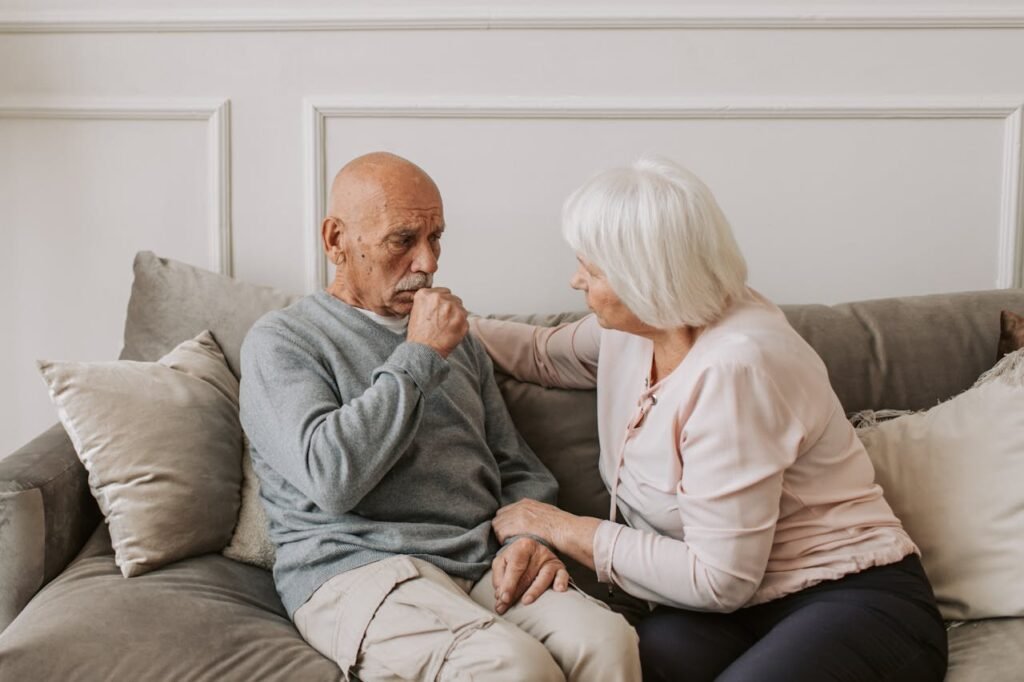
Cancer refers to a group of related diseases, rather than a single type of disease. Cancer occurs when abnormal cells in the body grow without control and spread to other tissues. Normal cells grow, divide, and die in an orderly manner, in response to the body’s natural control system. Cancer cells avoid this control mechanism so the abnormal cells can continue to accumulate. Eventually, cancer cells form tumors, alter the organ’s normal functions, and can spread (metastasize) to other parts of the body .
1.2 Types of Cancer
There are over 100 different types of cancer, and some common examples include the following:
. Carcinomas — cancers that arise from skin or from the lining of internal organs, like lung cancer or breast cancer
. Sarcomas — cancers that arise from bone or connective tissue (like muscle, fat, or cartilage)
. Leukemias — blood cancers
. Lymphomas — a cancer of the immune system
1.3 Common Risk Factors
Most cancers result from lifestyle or environmental-based risk factors. Genetics will play a role in whether an individual develops a certain type of cancer, but it is more common that individuals will have risk factors that can be modified or eliminated. Common risk factors for cancer include the following:
. Tobacco-use
. Diet (high in processed food, sugar, and unhealthy fats)
. Obesity and lack of exercise
. Excessive alcohol use
. Long-term infection (HPV, hepatitis B and C)
. Long-term exposure to harmful chemicals or radiation
. Stress and poor sleep hygiene “
2. Healthy Diet and Nutrition: The Cornerstone of Cancer Prevention
2.1 Relevance of a Complete Diet
Food is life-giving energy, and nutrition is a health cornerstone. A diet rich in natural, whole foods offers your body vitamins, minerals, antioxidants, and fiber that protect against cancer by repairing DNA, stimulating immunity, and decreasing chronic inflammation.
2.2 Foods That Protect Against Cancer
1. Fruits and Vegetables
. Provide antioxidants, such as vitamin C, vitamin E, and the carotenoids.
. Cruciferous vegetables like broccoli, cabbage, and cauliflower are high in compounds (like sulforaphane) that may inhibit cancer cell growth.
2. Whole grains and legumes
. Are simply high fiber foods that may protect against colorectal cancers due to digestive improvements and blood sugar regulation.
3. Healthy Fats
. Source of omega-3 fatty acids (fish, flaxseed, or walnuts), which also have anti-inflammatory properties.
4. Green Tea
. Contains polyphenols (e.g., catechins) that slow cancer cell growth.
5. Spices
. Turmeric contains curcumin, a powerful anti-inflammatory.
. Garlic has sulfur compounds that may be protective against stomach cancer.
2.3 Foods to Avoid or Limit
. Processed meats (colorectal cancers)
. Sugary foods and drinks (obesity risk)
. Refined grains and fried food
. Red meat (overconsumption)
. Alcohol (Associated with cancers of liver, mouth, breast, and colon) “
2.4 Practical Recommendations for a Diet to Prevent Cancer
. Fill half your plate with colorful vegetables and fruit.
. Use whole foods instead of processed.
. Use water, herbal tea, and fresh juice instead of sugary beverages.
. Use herbs and spices instead of salt for flavoring.
. Plan your meals ahead of time so you are less likely to snack on unhealthy foods.
3. The Importance of Physical Activity
3.1 How Exercise Prevents Cancer
The risk of cancer in individuals who regularly exercise is lowered or lessened by the following conditions:
. Less obesity/maintains a healthy weight.
. Regulated hormones / Improved hormone regulation (especially insulin and estrogen).
. Improved immune function.
. Less inflammation in the body.
3.2 How Much Physical Activity is Recommended
. Adults should engage in a minimum of 150 minutes of moderate intensity exercise or 75 minutes of vigorous exercise a week (combined with two days per week of strength training).
3.3 Practical Ways to Stay Active
. Walking, jogging, or biking
. Swimming or dancing
. Yoga, tai chi, or pilates
. Gardening or housework with a vigorous level of effort
. Choosing stairs over elevators “
4. Control Weight and Reduce Cancer Risk
4.1. Obesity and Cancer Risk
Obesity is a significant risk factor for breast, colon, pancreas, liver, and other cancers. Excess body fat generates hormones and growth factors that stimulate cell growth and inflammation .
4.2. Healthy Weight Strategies
. Eating a balanced diet with reasonable portions
. Being active regularly
. Avoiding “crash” diets and focusing on long-term healthy habits
. Drinking adequate amounts of water
. Keeping track of calorie intake and energy output
5. Avoiding Harmful Substances
5.1. Tobacco
Smoking is the leading preventable cause of cancer and accounts for lung, throat, mouth, bladder and other cancers. Even after years of smoking, quitting greatly reduces risk.
5.2. Alcohol
Alcohol can increase the risk of cancer through damage to DNA, and metabolite action that may be harmful. There is no safe level of alcohol consumption.
5.3. Environmental Chemicals
. Reduce exposure to pesticides, industrial chemicals, and air pollution.
. Wear proper protective equipment when working with chemicals.
. Limit unnecessary exposure to medical radiation “
6. Sleep and Stress Management

6.1 Importance of Sleep Quality
Insufficient amount or poor quality sleep affects the immune system and hormonal changes that can result in cancer. Adults should aim for seven to nine hours of quality sleep each night.
6.2 Stress and Cancer Risk
Chronic stress can indirectly promote cancer by impairing immune function and establishing the foundation for unhealthy coping behaviors such as smoking, drinking and overeating.
6.3 Healthy Stress Management Techniques
. Meditation/mindfulness
. Deep Breathing
. Relaxation activities, such as reading, practicing hobbies and walking in nature
. Social support from family and friends.
7. Vaccination and Check-Ups
7.1 Vaccines for HPV and Hepatitis
. The HPV vaccine decreases the risk of cervical and throat cancer.
. Hepatitis B vaccine can decrease the risk of liver cancer.
7.2 Regular Check-Ups and Screening
Early detection saves lives! Regular check-ups with your health care provider can allow you to be screened for certain types of cancer — while the cancer can still be treated and cured.
. Examples include:
. Mammograms (for breast cancer) “
. Pap smears (for cervical cancer),
. Colonoscopy (for colorectal cancer)
. PSA tests (for prostate cancer).
8. Establishing Sustainable Healthy Behaviors
8.1 Small Lifestyle Changes that Add Up
It can be difficult to make big changes stick. Small, manageable changes, such as swapping soda for water or committing to 20 minutes of walking most days, add up over time.
8.2 Supportive People/Community/Culture
Being around support from family or community members leads to healthy behaviors, too. Workplaces, schools, and governments also can develop or promote policies that support health.
8.3 The Mindset of Living Well
A positive mindset, willpower, and discipline are all necessary strategies to maintain a lifestyle that reduces the risk of cancer.
9. Understanding How Cancer Develops: A Biological Overview
Cancer occurs due to genetic mutations and epigenetic changes that disrupt the normal cell cycle .When healthy cells are damaged, they grow, divide, and eventually undergo apoptosis (programmed cell death). The presence of mutations in oncogenes (the genes responsible for driving growth) and tumor suppressor genes (such as the TP53 and BRCA1/2 genes) can lead to unrestricted cell division in cancer cells.
. Initiation: Damage to DNA occurs through exposure to carcinogens (e.g. tobacco smoke, radiation, and chemicals) or through errors in replication.
. Promotion: Damaged cells that survived initiate a complete cancer cell lineage and multiply; their expansion is often triggered by hormones, trauma or inflammation, and/or the diet.
. Progression: Multiplying abnormal cells acquire additional mutations, further establishing tumor formation and invasion of nearby tissues.
. Metastasis: Cells migrate through the blood or lymphatic system, and establish secondary tumors.
Lifestyle factors can influence this process at every stage: dietary antioxidants repair damaged DNA, while exercise can reduce inflammatory mediators; unregulated stress hormone production (such as cortisol) can increase the tumor progression rate “
10. Nutrition and Molecular Mechanisms
2.1 Antioxidants and DNA Protection
Oxidative stress produced by excess reactive oxygen species (ROS) damages DNA and induces mutations. Fruits and vegetables are a source of antioxidants (e.g., vitamin C, vitamin E, carotenoids, and polyphenols) that neutralize and scavenge excessive ROS .
. Example: Lycopene, found in tomatoes .has been shown to decrease oxidative DNA damage and is correlated with a lower risk of prostate cancer.
2.2 Fiber and Gut Microbiota
Dietary fiber helps create a healthy gut microbiome. Some gut microflora ferment fiber into short-chain fatty acids (SCFAs) such as butyrate. SCFAs:
. Promote differentiation of colon cells
. Determine whether abnormal cells undergo apoptosis
. Reduce inflammation
This serves to explain findings where high fiber intake is associated with a reduced risk of colorectal cancer.
2.3 Anti-inflammatory Compounds
Chronic inflammation produces cytokines such as interleukin (IL)-6, tumor necrosis factor (TNF)-alpha, or C-reactive protein (CRP), which stimulate cancer cells and their survival. Foods such as turmeric (curcumin), green tea (catechins), and omega-3 fatty acids (fish and flax) block inflammatory pathways (e.g., NF-κB signaling) “
11 . Exercise and Hormones
3.1 Insulin and IGF-1
Exercise enhances insulin sensitivity and decreases circulating insulin-like growth factor 1 (IGF-1) levels . IGF-1 is a hormone associated with tumor growth. Elevated IGF-1 levels promote cell proliferation and inhibit apoptosis .
3.2 Estrogen and Breast Cancer
Adipose tissue produces estrogen .In postmenopausal women, excess body fat leads to increased estrogen that promotes breast and endometrial cancer. Exercise reduces estrogen levels by decreasing body fat and enhancing hormone metabolism.
3.3 Immune Surveillance
Exercise mobilizes natural killer (NK) cells and cytotoxic T lymphocytes, which can identify and destroy precancerous or cancerous cells prior to their development into tumors.
12. Obesity, Adipokines, and Inflammation
Fat tissue is not simply storage; it is metabolically active. Obesity changes the secretion profile of adipokines :
. Increases in leptin (promotes angiogenesis and growth of cancer cells .
. Decreases in adiponectin (protective and anti-inflammatory .
Surplus fat also secretes estrogen and inflammatory cytokines, creating a microenvironment conducive to tumor formation “
13. Sunlight, Vitamin D, and Cancer Prevention.
Vitamin D regulates over 200 different genes that are important for cell growth and differentiation. The active form of vitamin D is calcitriol, or 1,25-dihydroxyvitamin D:
. Promotes apoptosis of damaged cells
. Inhibits angiogenesis
. Improves immune recognition of abnormal cells
Epidemiologic studies support that low vitamin D is associated with a higher risk of breast, colon, and prostate cancer.
14. Vaccination and Molecular Prevention.
. The HPV vaccine protects against infection from high-risk types of HPV (16 and 18), which create oncogenic proteins E6 and E7, which inactivate tumor suppressor proteins p53 and Rb leading to cervical and throat cancers.
. The Hepatitis B vaccine reduces the risk of liver cancer by reducing the risk of chronic infection that causes long-term persistent inflammation and cirrhosis “
Conclusion
Cancer prevention is not as simple as one silver bullet but rather a combination of healthy eating, being physically active, weight maintenance, abstaining from harmful substances, practicing stress management, establishing good sleep habits, and regular medical assistance. If we take ownership of our choices, we can reduce our chance of cancer and seek a longer and healthier life “
