
Introduction
The lungs are one of the most important organs of the human body, allowing for the intake of fresh oxygen and the elimination of carbon dioxide as waste. Every time we take a breath, we are bringing in the oxygen necessary for life and energy, as well as maintaining all of our physiological processes. Despite this major importance, the lungs are particularly susceptible to a variety of diseases that can impact health and subsequently quality of life. Lung disease is a term that contains a broad category of diseases including chronic obstructive pulmonary disease (COPD), asthma, lung cancer, pulmonary fibrosis, or infectious lung disease including pneumonia and tuberculosis as examples that affect millions of people worldwide.
According to the World Health Organization (WHO), respiratory disease is among the leading causes of death globally, with over four million deaths attributed annually. In addition to premature death, lung disease can, and does, lead to other forms of disability, economic distress, and emotional distress. The good news is that most of these circumstances can be preventable through lifestyle choice, environmental choice, access to healthcare, and public health policy.
The purpose of the article is to provide a comprehensive step-wise discussion about how to prevent lung disease. This will include a discussion of risk factors, a consideration of the science evidence, and practical messages for individuals and families, as well as community perspective.
Comprehending Lung Diseases
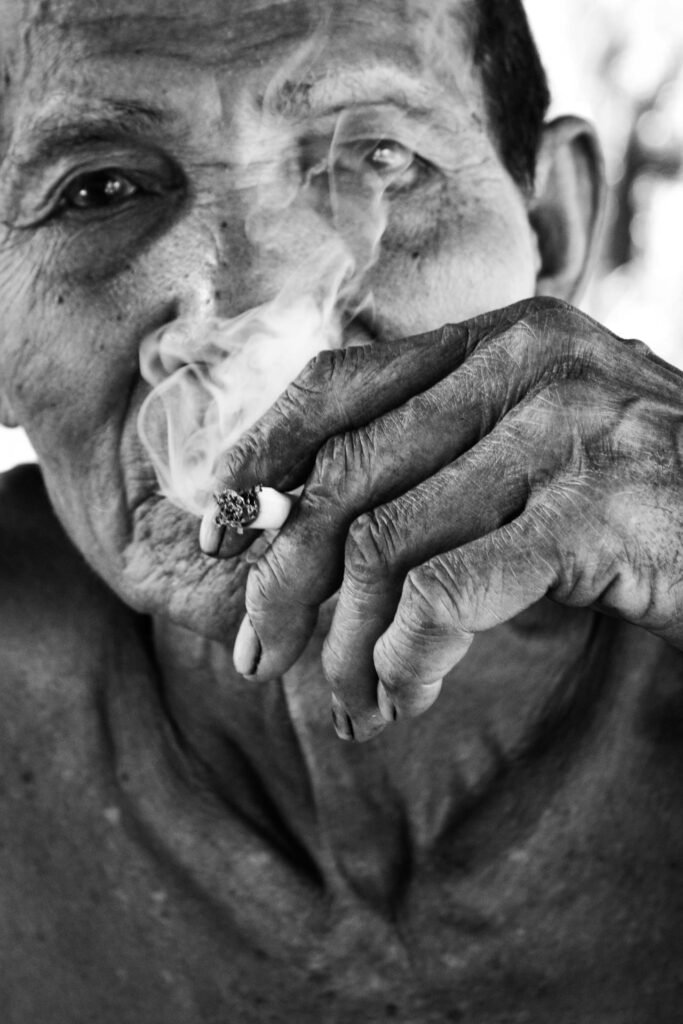
Before discussing prevention, it is important to understand the common types of lung disease and how they develop .
1. Chronic Obstructive Pulmonary Disease
. A progressive disease that causes shortness of breath due to the obstruction of airways and damage to lung tissue .
. Risk factors include smoking, dust from occupation, and indoor air pollution from biomass fuel .
2. Asthma
. A chronic inflammatory disease of the airways that causes wheezing, shortness of breath, and coughing .
. Risk factors include genetics, allergic factors, air pollution, and smoking.
3. Lung Cancer
. An abnormal growth of cells in the lungs. This disease is associated with smoking, radon, asbestos, and pollution .
. Lung cancer is the leading cause for cancer related deaths worldwide.
4. Infectious Diseases of the Lungs
. This includes pneumonia, tuberculosis (TB), and influenza.
. Infectious diseases of the lungs can be spread by particulate infectious agents, which are bacteria, viruses, or fungi.
5. Pulmonary fibrosis and interstitial lung disease (ILD)
. The characteristic of fibrotic lung disease is scarring of the lung tissue which makes breathing difficult.
. The risk factors may include occupation exposures, autoimmune disease, and smoking”
Risk Factors for Lung Diseases
There are numerous contributing factors to the risk of developing a lung disease. The most common risk factors are as follows:
1. Tobacco Smoke – the leading cause of Chronic Obstructive Pulmonary Disease (COPD), increases the risk of lung cancer, and can worsen asthma.
2. Air Pollution – including both outdoor pollutants (including ozone and particulate matter) and indoor pollutants (including cooking smoke and chemicals).
3. Occupational Exposures – due to exposure to dusts, asbestos, silica, or industrial chemical fumes.
4. Genetic Influences – family history of asthma or alpha-1 antitrypsin deficiency.
5. Infections – viral or bacterial infections can result in lung damage.
6. Unhealthy Lifestyle Factors – including poor diet, sedentary lifestyle, obesity, or alcohol abuse.
7. Impaired Immune System – due to chronic illness, malnutrition, or age.
Strategies for Prevention of Lung Disease
1. Don’t Smoke or Use Tobacco
. Tobacco use is the number one preventable cause of lung disease.
. When people stop using tobacco, they significantly decrease their risk of COPD, lung cancer, and heart disease.
. Second-hand tobacco smoke is also dangerous and can prove harmful to children and non-tobacco-using adults living with people who smoke.
. Preventive strategies that could be helpful include:
. Public awareness campaigns: “Smoking is Hazardous to Your Health” and “Join the Fight against Smoking”.
. Smoking cessation programs that include: counseling, nicotine replacement therapy, and medications.
. Certain policies that may help reduce smoking: prohibiting smoking in public places, and raising taxes on tobacco products.
2. Minimize Air Pollution Exposure
. Asthma, COPD, and lung cancer are influenced by air pollution outdoors.
. Indoor pollution can result from burning biomass fuel, incense, or cooking in non-ventilated indoor areas, which may represent a significant risk in developing countries.
. Approaches include:
. Use electric, gas, or solar fuel instead of wood or charcoal.
. Provide ventilation indoors.
. Support clean energy policies.
. Plan outdoor activities on days when air pollution is low.
. Encourage tree planting to improve air quality.
3. Protect Workers from Occupational Hazards
. Various occupations, such as mining, construction, and manufacturing, will expose a range of workers to a hazardous environment.
. Prevention strategies may include:
. Encouraging the use of protective masks and clothing.
. Ensuring a workplace safety program is in place.
. Providing frequent check-ups for those at higher levels of risk.
. Ensuring ventilation in industrial work.
4. Protect Against Lung Infections by Increasing Immunity
. Flu, pneumococcal, and COVID-19 vaccinations will lower risks of developing an infection.
. Eating appropriately (a diet containing vitamin C, D, or zinc) may help bolster your immune protection against lung infections.
. Good hygiene practices (e.g., washing your hands, not exposing yourself to crowds of people mid-flu season) may also provide protection against respiratory infections.
5. Promote Healthy Lifestyle Choices
. Exercise: Regular aerobic exercise (walking, swimming, biking) strengthens lung function.
. Balanced diet: Foods rich in antioxidants (fruits, vegetables, whole grains) reduce total body inflammation.
. Hydration: Keeping hydrated helps keep mucous thin and airways clear.
. Weight control and obesity prevention: Avoids obesity, which can lead to difficulty breathing and sleep apneic episodes.
. Mental well-being: Managing stress has a positive effect on the immune system’s function overall.
6. Early Detection and Regular Screening
. Lung cancer screening: Low dose CT scans for high risk groups such as smokers and people with a smoking history.
. Spirometry: Any person with a chronic cough, shortness of breath or planning an occupational exposure should have spirometry performed.
. Regular health checkups: Having a health checkup with a healthcare provider increases the likelihood of early detection and diagnosis.
7. Public Health and Policy Initiatives
. Government and institutions have a significant role in reducing the burden of lung disease .
. Policies:
. Laws and actions to regulate clean air; laws and actions to regulate
. tobacco products; laws to regulate
. occupational health and safety;
. laws to ensure access to the health care system; and education and funding for awareness campaigns to increase
. public knowledge of lung health “
A Stepwise Strategy for Avoiding Lung Health Problems
1. Stop smoking right away (consult with a healthcare professional if needed)
2. Do not allow those who smoke to enter your home, workplace, or anywhere that you regularly spend time
3. Check the air quality index (AQI) before taking the family out to play.
4. Use Personal Protective Equipment (PPE) if you work around dust or chemicals.
5. Ensure good indoor air quality (create good airflow, and/or consider investing in an air purifier)
6. Increase lung capacity by exercising regularly.
7. Eat a diet that is lung-health friendly, such as one that is high in antioxidants
8. Get vaccines for influenza, pneumonia, and any other infections that can be avoided by vaccines.
9. If you are a member of a high-risk group, schedule a regular check-up.
10. Engage family members and the community in knowledge about lung health.
Supporting Scientific Literature
. A study published in The Lancet in 2020 found that quitting smoking by the age of 40 decreases the chances of lung problems by more than 90%.
. The American Lung Association has conducted numerous studies and has confirmed that individuals who live in regions of clean air have improved pulmonary function.
. Studies of occupational health contend that using PPE decreases the likelihood of growing lung cancer or COPD among miners and factory workers.
. Studies of nutritional health warn that diets that are high in antioxidant foods may decrease markers of inflammatory processes, and help support lung health.
Questions and Answers (Q&A)
1. Can lung diseases be completely prevented?
Not necessarily, but the chances can be considerably diminished with preventive methods.
2. Is using an e-cigarette safer than smoking a cigarette?
No. E-cigarettes contain toxic substances and raise the chances of lung damage/injury.
3. What are the best foods for lung health?
Fruits (berries, citrus), vegetables (broccoli, spinach), along with nuts, seeds, and fatty fish with omega-3 content.
4. How do I know if I have early lung disease?
Signs include a persistent cough, wheezing, chest tightness, shortness of breath, and frequent respiratory infections. Get checked.
5. Is lung cancer only caused by smoking?
In-Depth Biology of the Lungs
1. Structure of the Lungs
The lungs are two spongy organs filled with air that are located in the thoracic cavity (chest). The rib cage protects the lungs. The mediastinum divides the thoracic cavity into two parts and contains the heart, trachea, esophagus, and major blood vessels .
. Right Lung and Left Lung :
. The right lung is bigger and is divided into three lobes (upper, middle, lower).
. The left lung is slightly smaller and has two lobes because the heart takes up the space on the left side of the ch est.
. Pleura: Each lung is covered by a membrane with two layers of pleura .
. Visceral pleura: attached to the lung surface directly .
. Parietal pleura: attached to the chest wall .
. There is a pleural cavity, which contains pleural fluid, located in between the pleura layers; this fluid reduces friction while breathing “
2. Airways
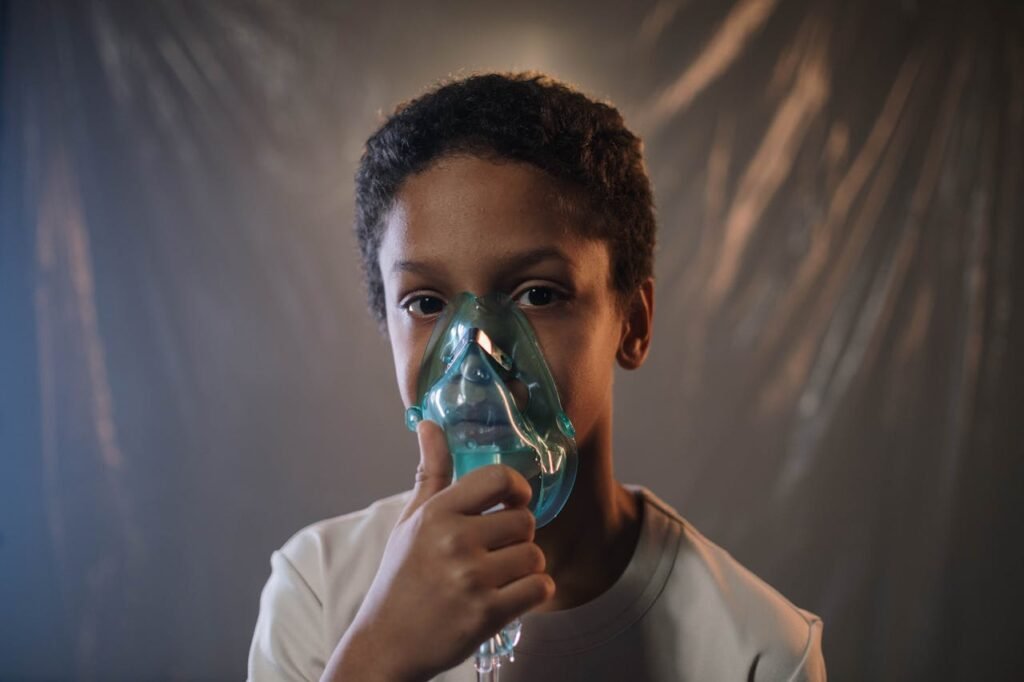
Air enters the lungs through a complex system of airways:
1. Nose/Mouth – scalp air enters the respiratory system, where it is filtered, warmed, and humidified before being passed on to the next area in the system.
2. Pharynx and Larynx – Pathway for air; larynx also contain vocal cords.
3. Trachea (Windpipe) – a rigid tube with supporting cartilaginous rings.
4. Bronchi – at the end of the trachea, it splits into the left and right primary bronchi.
5. Bronchioles – the mating bronchi split into even smaller and thinner tubes, then into terminal bronchioles.
6.Alveoli – a multitude of microscopic air sacs where the exchange of gases takes place. Humans possess about 300 – 500 million alveoli, all generating a substantial collective surface area of approximately 70 square meters (~one tennis court).
3. Blood Supply of the Lungs
. Pulmonary Circulation:
. The right ventricle pumps deoxygenated blood to the pulmonary arteries → blood then continues to capillaries in the lungs surrounding alveoli → oxygen is transferred into the blood and carbon dioxide is unloaded → oxygenated blood is transported back to the left atrium.
. Bronchial Circulation:
. oxygen and nutrients to the lung tissue itself.
4. Gas Exchange
The function of the lungs is gas exchange, happening directly at the level of the alveoli.
. Oxygen transport – Oxygen follows the pathway of diffusion from alveolar air → across very thin enduring aveloar-capillary membrane → then into red blood cells, where it is carried and binded to hemoglobin.
. Carbon Dioxide Removal – Carbon Dioxide follows the pathway of diffusion from blood →to alveoli →expired from the lungs.
In summary, gas exchanges occur according to the said process of diffusion (gases will always move from areas of higher concentrations, moving to lower concentrations) as a guiding principle of physics.
5. Pulmonary Defense Mechanisms
The lungs are consistently exposed to detrimental particles, microbes, and toxins. Over time, several mechanisms of defense have evolved:
1. Nasal hairs and mucus function to trap dust and microbes.
2. Cilia are small hair-like structures that line the respiratory tract, moving mucus upwards to eliminate the debris, known as the “mucociliary escalator .
3. Cough reflex is vital in removing any irritants .
4. Immune cells:
. Alveolar macrophages patrol the alveoli and engulf any pathogens and particles.
. Lymphocytes assist in fighting infection .
5. Surfactant is a substance produced by alveolar cells that reduces surface tension and keeps the alveoli from collapsing, also performing immune functions .
6. Pulmonary Physiology (How the Lung Works)
Ventilation, or breathing, is the moving of air in and out of the lungs.
. Inhalation (inspiration):
. The diaphragm contracts and moves downward.
. The intercostal muscles expand the rib cage.
. The volume of the lungs increases, leading to a negative pressure inside the lungs resulting in air taking the path of least resistance and flowing into the lungs.
. Exhalation (expiration):
. In most cases is passive (the diaphragm relaxes and the lungs recoil).
. Can be active during exercise or coughing (the abdominal muscles contract).
. Tidal Volume (TV) is the normal amount of air that is inhaled/exhaled during one breath (~500 mL).
. Vital Capacity (VC) is the total amount of air that can be forcibly exhaled after a maximum inhalation.
. Residual Volume (RV) is the amount of air remaining in the lungs after a full exhalation (prevents lung collapse).
7. Biological Development of Lung Disease
. Smoking can damage cilia, increase mucus and alveoli destruction, which results in COPD and emphysema.
. Pollutants and dust can cause chronic inflammation and fibrosis.
. Cancer develops when mutations occur in the cells of the lung, causing them to grow uncontrollably.
. Asthma includes inflammation of the airways as well as excessive mucus production and bronchoconstriction.
. Infections can overwhelm the immune system and fill the alveoli with fluid or pus (for example, pneumonia).
. Repeated injury to the lungs can lead to fibrosis by causing scarring of the lungs, which stiffens the lungs and prevents expansion.
8. Value of Understanding Lung Biology for Prevention

Understanding the structure and function of your lungs is valuable for prevention because:
. It highlights the importance of smoking cessation (to protect your alveoli, and the beating cilia).
. It explains the reason that vaccinations work (to provide immunity against viruses and support immune defenses in the lungs).
. It emphasizes the importance of air quality (pollutants that directly injure the alveoli).
. It supports the value of exercise (to improve lung capacity and oxygen exchange).
Final Thoughts
Lung diseases are a major public health issue everywhere in the world, but they are largely preventable. Protecting lung health is critical, by limiting major risk factors to lung disease, such as tobacco smoking or exposure to air pollution, occupational exposure, poor lifestyle habits, and immunocompromised status. Preventing the risk factors of lung disease combines personal responsibility, community initiatives, and government policies.
