
Introduction
The eyes, one of our all-important organs, are the doorway to our world, allowing us to see color, shape and motion. As important as they are, eye health often takes a backseat until problems with vision arise. The World Health Organization (WHO) estimates that over 2 billion people worldwide have vision impairment or blindness, and that at least half of these people could have been avoided with care and early intervention. Eye safety and a lifetime of good vision requires a combination of healthy habits, nutrition, lifestyle choices, regular medical examinations, and considering environmental and technological risks.
This article serves as a complete guide—with respect to preventative measures, lifestyle choices, nutrition, exercises, and what to consider from a medical perspective— to eye protection and lifetime good vision.
Chapter 1: How to Protect Your Eyes and Maintain Good Vision
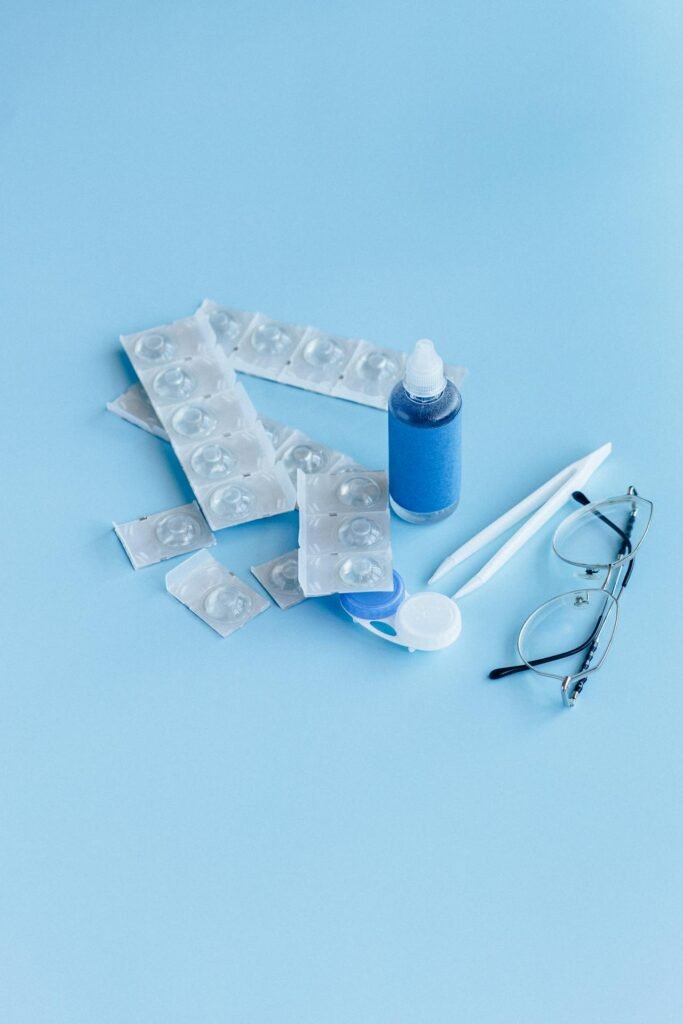
Before we delve into options for caring for your eyes, it is important that you thoroughly understand the working of the eye. The human eye is a complex organ. It receives light, processes that light, and transmits information to the brain.
. Cornea: The clear front surface of the eye that bends light into the eye.
. Lens: Continues the process to bend or adjust the light for focusing on the retina.
. Retina: The light-sensitive layer that converts light to electrical signals.
. Optic Nerve: Carries the visual information to the brain for processing.
. Macula: The area of central vision that focuses on what you are looking at.
These structures are delicate and therefore subject to damage related to aging, lifestyle habits, injury and disease. Once you understand this will help you to appreciate and understand how protective care is important.
Chapter 2: Common Eye Problems and Their Causes
1. Refractive Impact
Nearsightedness (myopia), farsightedness (hyperopia), and astigmatism all involve difficulties bending light properly in the eye, so individuals typically require some form of corrective lens.
2. Cataracts
Cataracts are characterized by clouding of the lens of the eye, the condition occurs mainly in those over 60 and can result in blurred or reduced vision. Factors that may exacerbate cataracts would include excess UV exposure, diabetes and smoking.
3. Glaucoma
Glaucoma consists of a group of diseases that cause damage to the optic nerve in the eye. Damage is typically the result of increased intraocular pressure. If untreated, it can lead to permanent blindness.
4. Age-Related Macular Degeneration (AMD)
All diseases result in damage to the macula , which results in loss of central vision
5. Diabetic Retinopathy
Diabetic Retinopathy is caused by damage to the retinal blood vessels from uncontrolled diabetes
6. Dry Eye Syndrome
Dry eye syndrome is when the eye does not produce enough lubrication, or tears, to keep the eye moist, which results in discomfort
7. Digital Eye Strain
Digital eye strain is becoming more common with the increased activity of staring at screens for long periods that produces blurred vision, headaches, and fatigue
Awareness of the common eye diseases and their causes is the first step in the prevention of discuss eye diseases.
Chapter 3: Nutrition for Healthy Eyes
Diet is extremely important for eye care. There are about 7 nutrients that are especially good for eye health:
1. Vitamin A
. Vitamin A is important for the retina to properly function in the eye.
. If you do not get enough, it can cause night blindness.
. Good sources of Vitamin A are carrots, sweet potatoes, spinach, and liver.
2. Vitamin C
. Vitamin C is an antioxidant that protects the eye from damage caused by free radicals.
. It helps with reducing the risk of cataracts.
. Good sources of Vitamin C are oranges, strawberries, and bell peppers.
3. Vitamin E
. Vitamin E inhibits oxidative stress to all of the cells in the eye.
. Good sources of Vitamin E are almonds, sunflower seeds, and avocados.
4. Omega-3 Fatty Acids
. Omega-3 Fatty Acids support the retinal function of the eyes and help reduce dry eye.
. Good sources of Omega-3 are fish (such as salmon, sardines, etc.), flaxseeds, and walnuts.
5. Zinc
. Zinc helps transport Vitamin A to the retina.
. Good sources of Zinc are oysters, beef, beans, and pumpkin seeds.
6. Lutein and Zeaxanthin
. Lutein and zeaxanthin are carotenoids found in high concentrations in the macula of the eye and protect the eyes from harmful blue light.
. Good sources of lutein and zeaxanthin are broccoli, spinach, corn, and eggs.
7. Hydration
. Consuming enough water is important for preventing dry eye/ supporting tears.
. A good tip about nutrition is to try to have a variety of colors on your plate- leafy greens, fruits, nuts, and fish is optimal, to reduce risk of eye disease.
Chapter 4: Safety Habits for Eye Protection
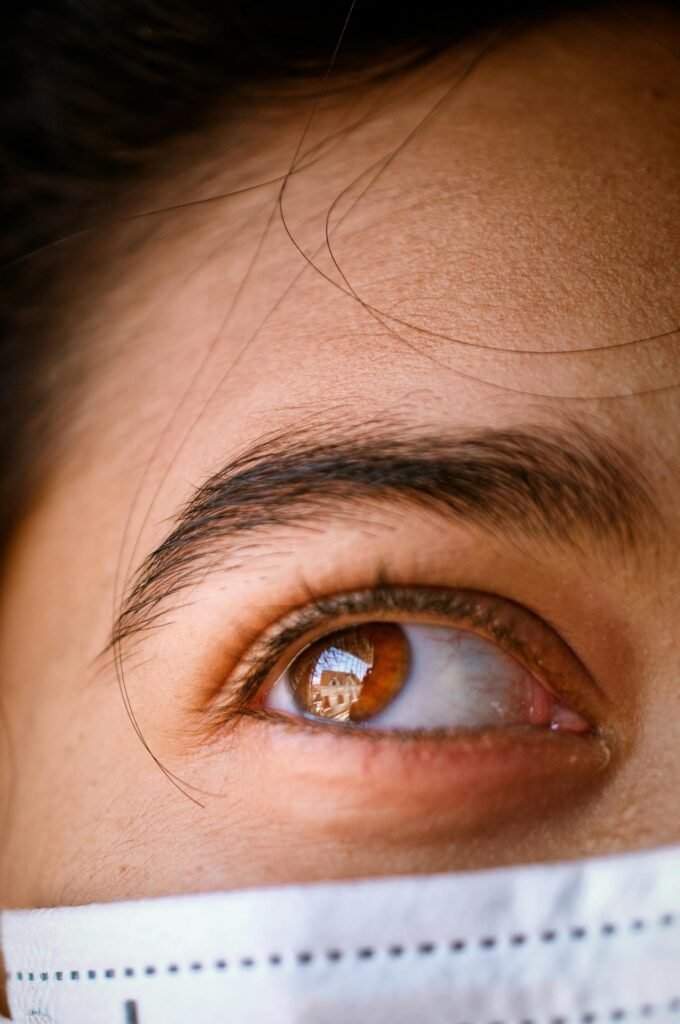
1. Hightail It on Smoking
Smoking raises risks of cataracts, macular degeneration, and optic nerve damage. Quitting smoking is some of the best protection you can give your eyes for a lifetime of eye health.
2. Protect Your Eyes from UV Light.
. Wear sunglasses that block 99%-100% of UVA/UVB rays.
. Wear wide-brimmed hats while outside.
. Try to stay out of direct sunlight during peak sun hours.
3. Manage Screen Time Use.
. Follow the 20-20-20 Rule: after every 20 minutes of working your eyes, find something 20 feet away, and look at it for 20 seconds.
. Keep the brightness/contrast on your screen in a sweet range for eyeball comfort.
. Screen or computer distance between your eyes should be a minimum of 50cm-60cm!
4. Good Eye Personal Hygiene
. Do not rub your eyes.
. Wash your hands before you touch contact lenses.
. Take off your make-up before bed every night.
5. Get to a healthy weight.
The more overweight you are, you raise your risk factors for the variety types of diabetes and diabetic retinopathy.
6. Get enough sleep and manage your stress levels.
Poor sleep and overstress can make your eye strain, twitching, and blurriness worse. Aim for a good, restful 7-8 hours of quality sleep.
Chapter 5: Eye Exercises and Relaxation
Although eye exercises will not alleviate refractive errors, they can lessen eye strain and refocus the eye.
1. Palming (with heat)
Rub your hands together to create warmth, and then gently cover your closed eyes for a few minutes.
2. Rolling the Eyes
Roll your eyes clockwise and counterclockwise to release stiffness.
3. Shifting Focus
Hold a pencil out at arms length, focus on it, then slowly move it toward your nose. Make the movement several times.
4. Blinking Exercise
Blink rapidly for a few seconds to lubricate your eyes and relieve dryness.
5. Looking into Distance
Spend some time outdoors looking at objects in the distance to release the strain on the eye muscles from viewing objects close up.
Chapter 6: Health Check-Ups and Preventative Care.
1. Regular Eye Examinations .
. Adults should have their eyes examined every 1-2 years .
. Children’s eyes should be checked at birth, at 6 months of age, and before school age (age 5 or 6).
2. Eye Exams Based on Specific Condition.
. For diabetic individuals: Every year for retinal exam.
. Anyone worried about having glaucoma (family history, over 40 years old):
Regularly measure intraocular pressure.
3. Warning Signs to Watch.
. You should complain to your doctor if you experience:
. Blurred or double vision.
. Sudden flashes or floaters.
. Eye pain or redness.
. Gradually lose central vision.
Chapter 7: Protecting Your Eyes in Different Settings.
1. At Work.
. If you are working with chemicals, dust or anything else that could get into your eye, be sure to wear some sort of goggles or protective eyewear.
. When you read or do work, make sure that the lighting around you is satisfactory.
2. At Home.
. Make sure any time you carry out a task in your home that you have enough lighting.
. For small children, keep sharp objects away from them.
. Make sure you are following safe use procedures for your household chemicals.
3. During Sports and Recreation Exposure.
. You should wear protective sports eyewear whenever you play sports.
. Avoid swimmer in untreated water to limit chances of infection.
Chapter 8: Technology and Blue Light Exposure Prevention.
Many digital devices such as cell phones, tablets, and TV’s emit blue light. If blue light is reflected on your eyes, it can cause sleep disturbances and strain your eyes.
Ways to decrease blue light exposure:
. Use a blue light filter on your screen or device.
. Set your brightness based on your environment.
. Turn off your screens at least 1 hour before going to bed at night.
. Consider getting computer glasses that have an anti-reflective coating.
Chapter 9: Vision across the Lifespan
Infants and Children
. Detecting vision problems early, especially in children, helps prevent learning problems potentially caused by undiagnosed vision problems.
. Encouraging outdoor play decreases the risk of developing myopia.
Adults
. Emphasis on nutrition, routine checkups, and eye safety in the workplace.
Older Individuals
. More prone to developing cataracts, glaucoma, and/or AMD.
. Need to have more frequent eyecare visits and systematic diseases should be managed in general.
Chapter 10: Questions and Answers (FAQ)
1. Can eye exercises improve vision?
Eye exercises may relieve fatigue, but they don’t fix refractive problems.
2. Do carrots actually help eyesight?
Carrots do supply Vitamin A, but it won’t help you see additional levels of clarity or give you “super sight.”
3. Is screen time bad?
Screen time, on its own, is not harmful, even though long screen time with no breaks can lead to strain on the eye and dry eyes.
4. Can I improve lost vision without medical intervention?
Once vision is lost due to eye disease (e.g. glaucoma, advanced AMD), it cannot come back. Primary key is prevention with periodic appointments and early treatment.
5. Are supplements needed for health in the eye?
Most individuals have enough nutrition from food with enough vegetables and fruit, but supplements can help individuals with AMD who are at risk or as nutritionally low.
Conclusion
While you may consider good vision and good eye health to be free from ocular disease – it is in fact a combination of health that enhances eye health and helps maintain good vision for life, to a degree. Good nutrition and clothing for sun protection, an enriched lifestyle that embraces healthy patterns and routines can be a holistic support for eye health.
