
Table of Contents
The Importance of Exercise for a Healthy Life
Exercise is a vital component of a healthy lifestyle that has numerous physical, mental, and emotional benefits. Incorporating physical activity into a busy lifestyle and sedentary habits is relevant and important more than ever in light of current events. Exercise isn’t only when you want to burn calories or build muscular strength, but it helps you with well-being, longevity, and improving the quality of life
. The Physical Benefits of Exercise
Regular physical activity enhances the cardiovascular and heart and lung functioning. Aerobic exercise (e.g. running, swimming, and cycling) aids the body by allowing for maximal delivery of oxygen to the organs, circulation improvement, decreases chances of heart disease and high blood pressure, and improves health. Resistance or strength training (e.g. lifting heavy weights) helps maintain muscle mass, increases strength of bones and metabolism. Flexibility and balance training (e.g. yoga, medication) can help limit muscle damage in the future, improve performance and aid in mobility, as we age. Exercise is important in managing weight. There is a relationship between diminishing calories expended and muscle development. This helps with the maintenance of a healthy weight as well as reduces the risk of having health problems related to obesity (e.g. Type 2 Diabetes, high blood pressure, metabolic syndrome). Regular physical activity will improve your immune system as well; as a result, the body will be less susceptible to a variety of infections and diseases.
Mental and Emotional Advantages
Exercise provides physical health benefits, but it also has lots of mental health advantages. When one partakes in physical activity, the body releases endorphins, also known as “natural mood elevators.” Endorphins can also reduce the amount of stress, anxiety, and depression one experiences. Exercise can also enhance cognitive function, including memory and concentration, and help avoid age-related cognitive decline. Activities such as yoga and tai chi includes physical movement combined with mental focus and relaxation. Exercise can also help enhance one’s self-esteem and confidence. Setting a fitness goal and attaining it provides a sense of accomplishment and increases motivation. Group exercise programs, team or club sports, or instructor led fitness classes provide social interaction with others in a safe environment builds a sense of community and social support, and is an important aspect of mental health.
Types of Exercise
1. Aerobic Exercise:
Activities that increase heart rate and respiratory rate to improve cardiovascular endurance. Running, swimming, cycling, and dancing are forms of aerobic exercise. One recommendation is to perform at least 150 minutes of moderate-intensity aerobic exercise every week.
2. Strength Training:
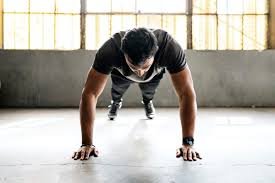
Exercise Uses resistance to build muscle strength and endurance. Strength training can be done using free weights, elastic resistance bands, or body weight, using exercises such as push-ups and squats. It is important to utilize strength training to promote more lean muscle tissue, maintain bone density and overall functional capacity.
3. Flexibility:
Stretching, yoga, and Pilates demonstrated improves flexibility and range of motion. Enhanced flexibility may increase the range of motion in joints as well as decrease the likelihood of experiencing an injury, and allow for enhanced posture and body mechanics.
4. Balance and Coordination:
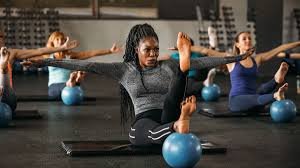
Exercises that include tai chi, stability ball workouts and drills can help improve balance and coordination, helping to ensure safety for older adults to avoid falls, as well as ensuring an overall controlled connection to the body.
Exercise Across the Lifespan
Exercise is important for everyone, regardless of age. Children and adolescents participate in exercise that enhances growth, coordination and social skills. Adults are considered to exercise with respect to maintain a level of fitness, maintain weight loss and decrease stress. Older adults require exercise to maintain independency through exercises focused on maintaining mobility, strength and balance for injury prevention and fall reduction.
Suggestions to Stay Active
1. Set Realistic Goals:
Begin by selecting activity levels easier to achieve, and steadily increase the intensity and duration.
2. Establish a Routine:
Schedule workouts for the same times and on the same days each week to create a routine.
3. Vary Activities:
Participate in a mix of activities like a sound exercise program that includes activities that develop cardiorespiratory fitness, which is often called aerobic fitness, muscular fitness (muscle strength and muscle endurance), and flexibility (how far a joint or muscle can move), to maintain health-related fitness.
4. Find Motivation:
Capture your progress by utilizing a journal or app. Find group classes or another person to facilitate extra accountability in exercising.
5. Trust Your Body:
Be cautious of overtraining, and you need to give your body time to rest and recover.
Conclusion
Exercise is not only a physical activity but rather it is a lifestyle that engages your body, mind, and spirit. As a result of engaging in regular physical activity, we can strengthen cardiovascular fitness, increase our strength and flexibility, improve our mental well-being. And even if at a minimum and most significant element of physical activity, to reduce the likelihood of developing many of the chronic diseases. There are many avenues for physical activity, now get out there and stay active, whether it is walking briskly, lifting weights, or unrolling a mat for a yoga flow, staying active promotes a healthier, happier, and productive
